
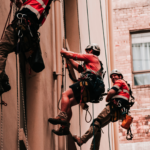
Personal protective gear for work at height, construction, maintenance, and industrial applications.
Groxx Gears provides personal protective gear designed to support workers in demanding industrial environments and complement properly designed fall protection systems. Our range includes personal protective equipment for work-at-height applications and can be used alongside compatible fall arrest systems, lifelines, anchor points, and other safety equipment. Depending on the work environment and specific hazards, appropriate protective gear can help provide protection during construction, installation, inspection, maintenance, and other industrial tasks. Whether working on roofs, high-rise structures, construction sites, industrial facilities, or other elevated work areas, selecting suitable and compatible personal protective equipment is an important part of an overall workplace safety system. Groxx Gears offers practical PPE solutions that can be incorporated into different work-at-height and industrial safety requirements, helping organizations equip workers with the appropriate protective equipment for their tasks.
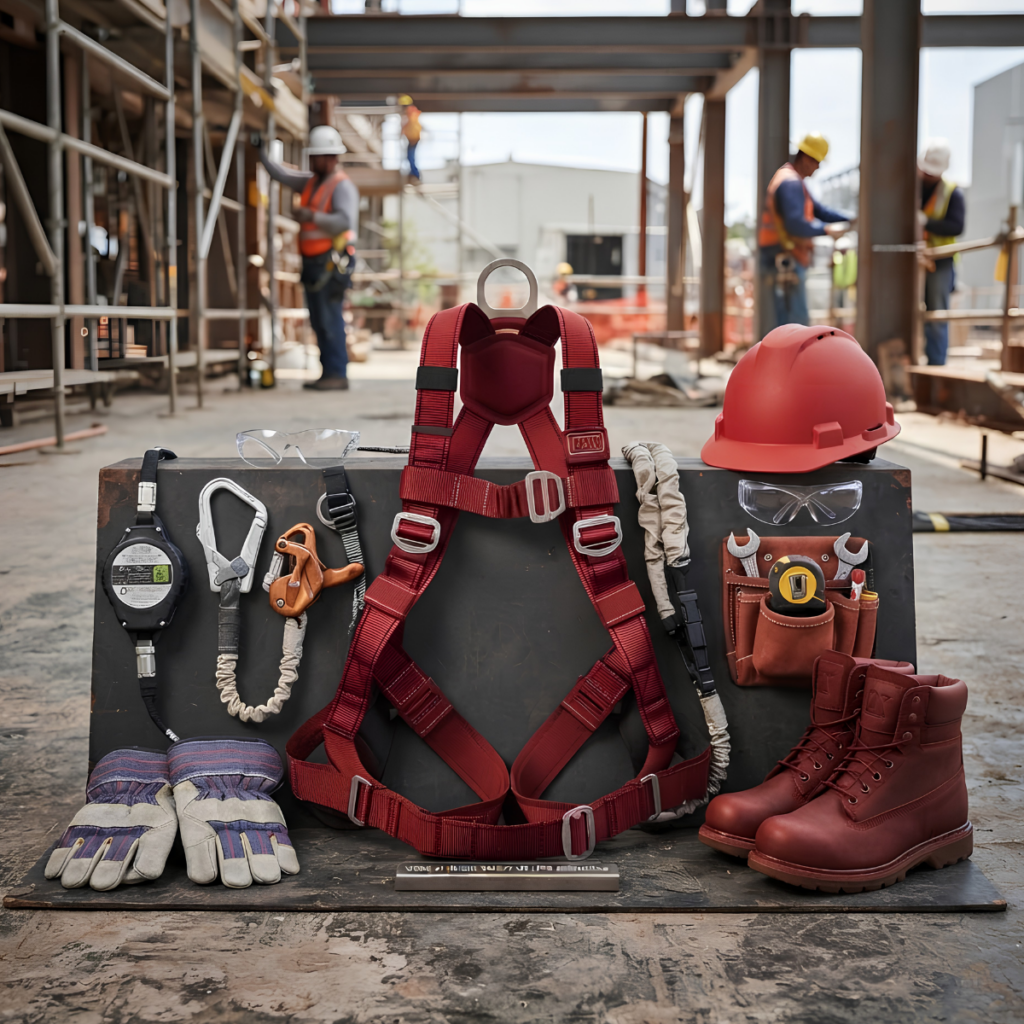
Personal Protective Gear for Work at Height
Personal protective gear designed for work at height, construction, maintenance, and industrial applications. Groxx Gears provides PPE that can be used alongside compatible fall protection and workplace safety systems.
Types of Personal Protective Gear
Groxx Gears’ personal protective gear category provides equipment intended to support different fall protection and industrial safety requirements.
Self-Retracting Lifelines
Fall Arrest
Equipment
Full-Body Harnesses

Energy-Absorbing Lanyards
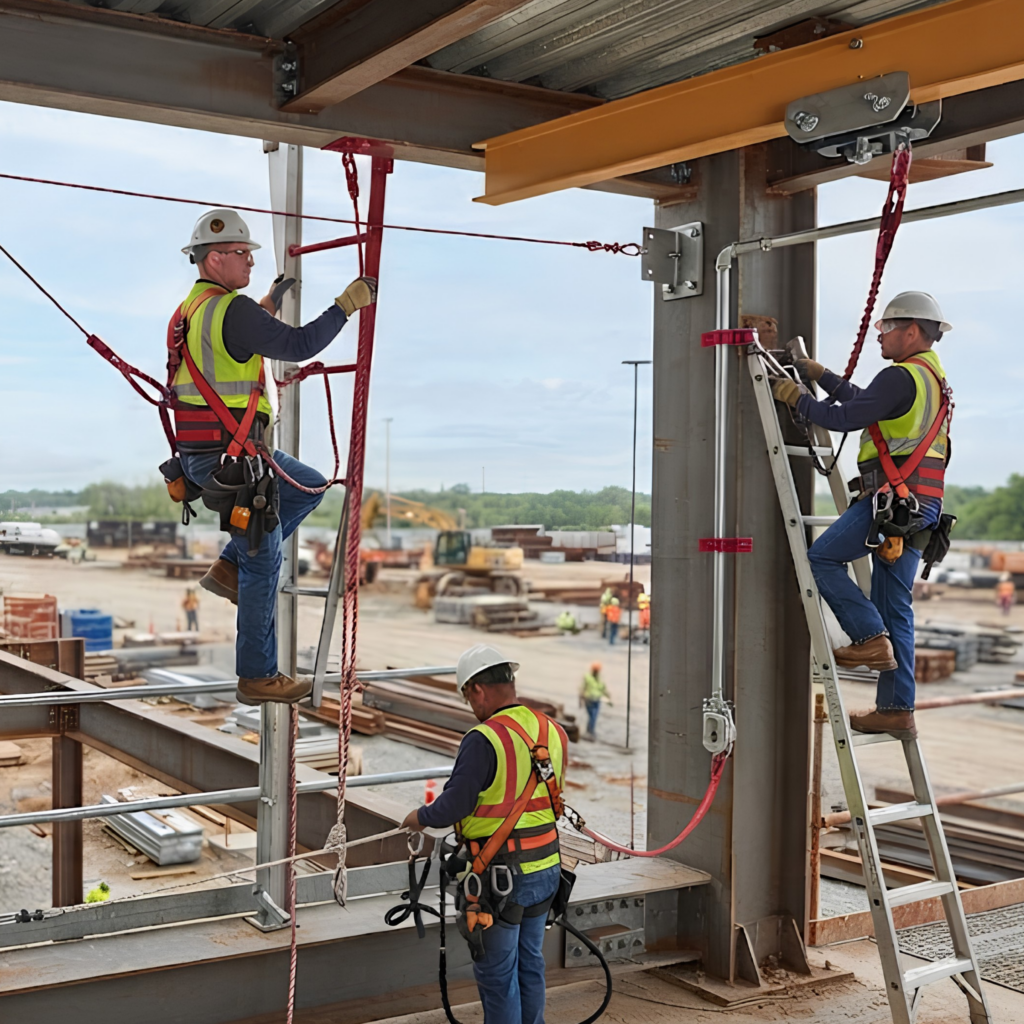
Personal Protective Gear for Work at Height
Working at height can expose workers to fall hazards and other site-specific risks. Personal protective gear forms one part of a broader safety approach that should be based on a suitable risk assessment and the requirements of the worksite.
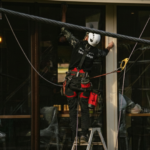
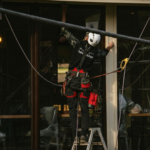
For example, a worker performing roof maintenance may require a compatible harness and connecting device used with a horizontal lifeline or suitable anchor point. A worker accessing a vertical structure may require equipment compatible with a vertical lifeline system.
Groxx Gears provides different fall protection components, including horizontal lifelines, vertical lifelines, overhead lifelines, rail lifelines, anchor points, and personal protective gear.
Personal Protective Gear and Fall Protection Systems
Personal protective gear works as part of a wider fall protection system. A typical fall protection configuration may include:
Worker → Harness → Connecting Device → Lifeline or Anchor → Structural Anchorage
Depending on the application, additional components such as energy absorbers, travelers, brackets, or other system components may be required.
Groxx Gears provides fall protection equipment across several categories, including horizontal lifelines, vertical lifelines, overhead lifelines, rail lifelines, anchor points, and self-retracting lifelines.
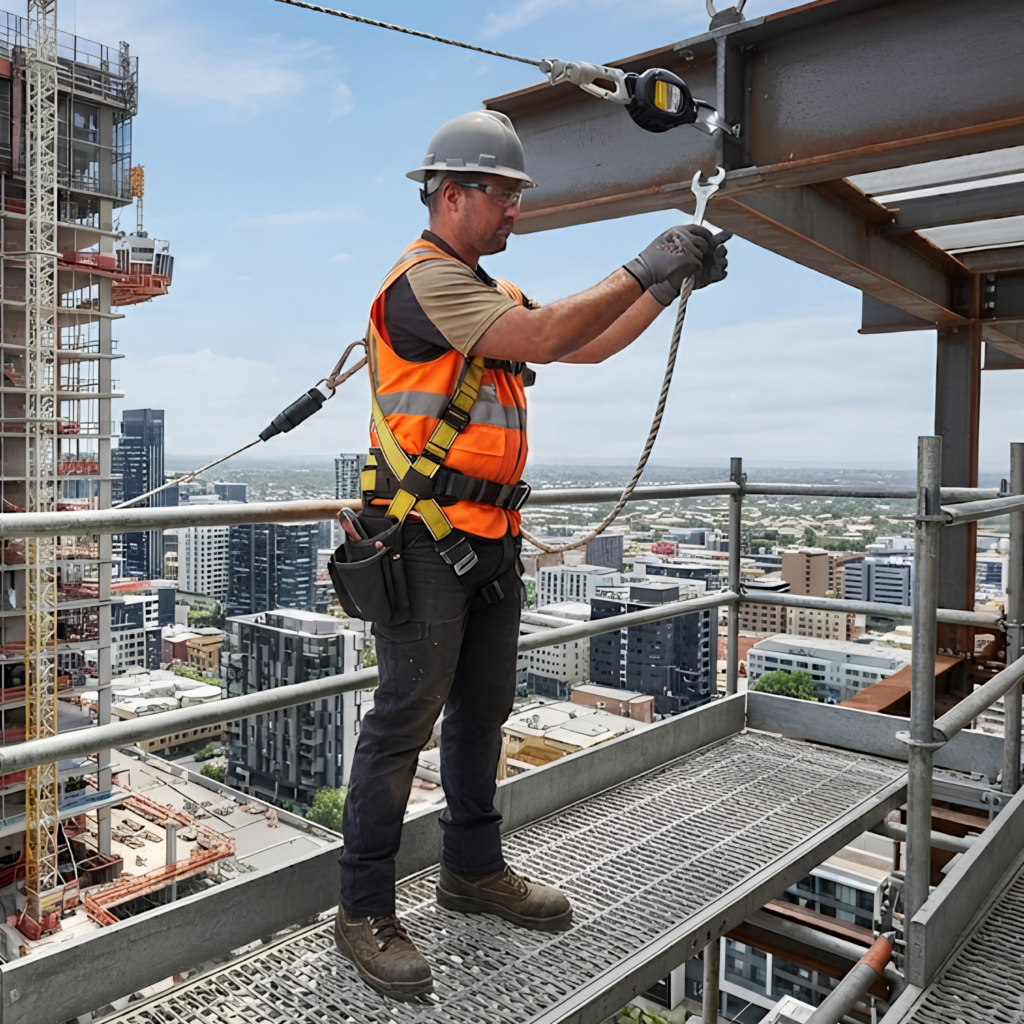
Why Choose Groxx Gears for Personal Protective Gear?
Groxx Gears supplies personal protective gear as part of a broader range of industrial safety and fall protection solutions. This allows businesses to source PPE and related fall protection components from one supplier.
Its product range covers fall protection systems, anchor points, lifelines, confined-space equipment, industrial safety equipment, and personal protective gear for construction, maintenance, infrastructure, and other industrial applications.
For projects where multiple fall protection components are required, coordinating equipment selection across the system can help address compatibility and application requirements.
Applications
Groxx Gears personal protective gear can support safety requirements across:
- Construction: Work at height, structural work, and installation
- Building Maintenance: Facade, roof, and elevated maintenance
- Industrial Facilities: Inspection, maintenance, and access
- Infrastructure: Elevated structures and project sites
- High-Rise Buildings: Facade and access operations
- Roof Work: Inspection, maintenance, and other elevated tasks
Frequently Asked Questions
No. PPE is only one part of workplace safety. For work at height, personal protective equipment may need to work together with suitable anchorage, lifelines, energy-management components, and other fall protection equipment.
Inspect equipment according to the manufacturer’s instructions and applicable workplace safety requirements. Equipment should be checked for damage, wear, deformation, contamination, or other conditions that could affect its intended use. Equipment subjected to a fall should be handled according to the manufacturer’s instructions and applicable procedures.