
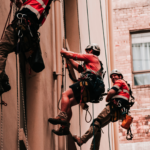
Vertical Lifeline Systems for Safe Vertical Access
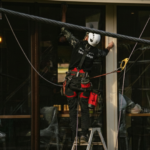
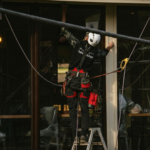
Groxx Gears provides vertical lifeline systems designed to support fall protection for workers moving along fixed ladders, towers, vertical access routes, and other elevated structures. These systems help workers remain connected while ascending, descending, inspecting, maintaining, or performing other work at height. Depending on the structure and application, a vertical lifeline configuration may include a vertical lifeline cable, top and bottom brackets, intermediate cable guides, a guided fall arrester or shuttle, anchorage components, and compatible connection equipment. Groxx Gears develops configurations based on factors such as the structure, access route, installation conditions, vertical travel requirements, number of users, and intended application. These systems can be used across industrial, construction, inspection, maintenance, and facility access environments where suitable vertical fall protection is required.
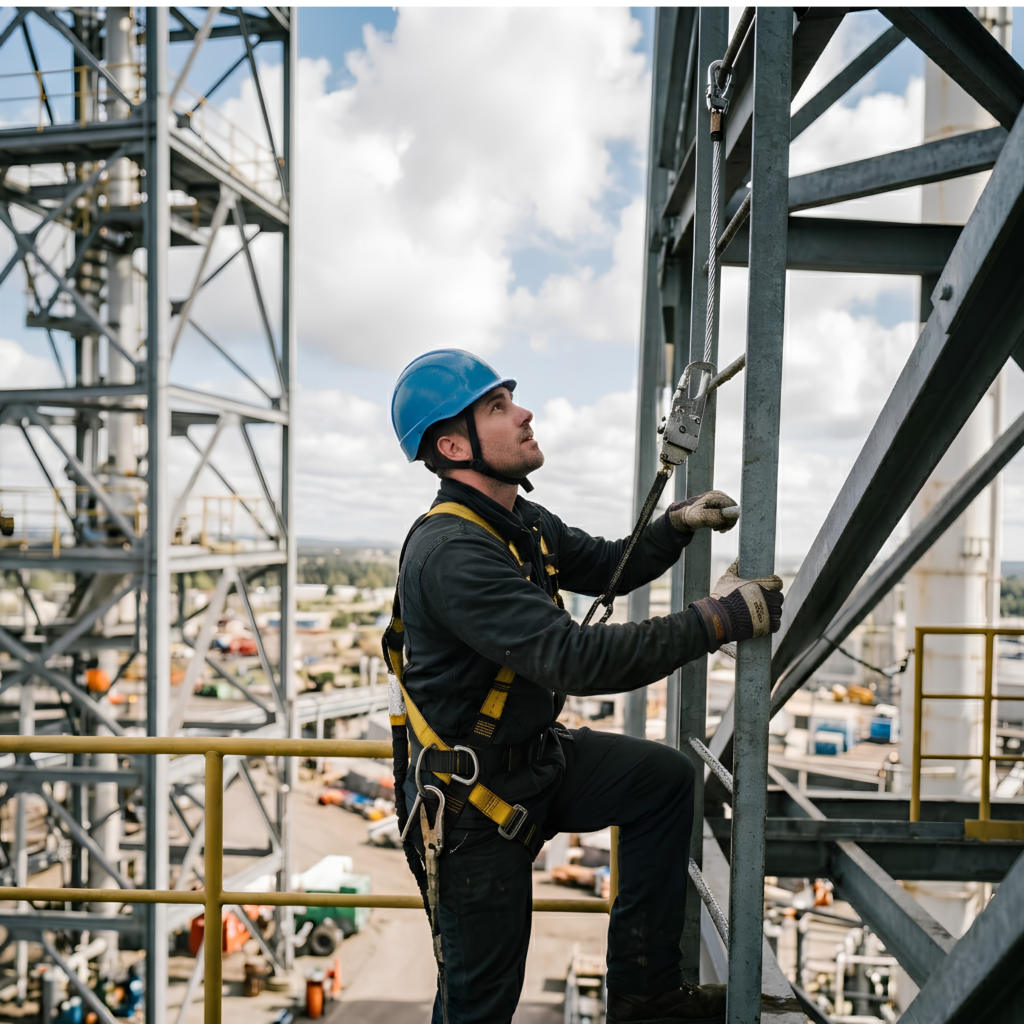
Fall Protection for Vertical Access
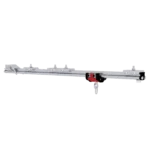
A vertical lifeline system may include a vertical lifeline cable, top and bottom brackets, intermediate cable guides, guided fall arresters or shuttles, anchorage components, and compatible connection equipment. Groxx Gears selects and configures compatible components based on the structure, access route, installation conditions, and intended application. This helps ensure the vertical lifeline system is suited to the specific work-at-height requirements of the site.

Vertical Lifeline Applications
Groxx Gears vertical lifeline systems can be configured for various vertical access and work-at-height environments. Common applications include fixed ladders, towers, industrial structures, and maintenance or inspection areas.

Fixed Ladders
Vertical lifelines can be installed along fixed ladders to provide fall protection for workers ascending and descending between different elevations.
Towers
For towers and similar vertical structures, vertical lifeline systems help workers stay connected while accessing elevated work areas.

Industrial Structures
Groxx Gears vertical lifeline configurations provide protected access to elevated platforms, equipment, and structures in industrial environments.
Maintenance & Inspection
Vertical lifelines support work-at-height activities where workers need to move vertically while maintaining a connection to the fall protection system.
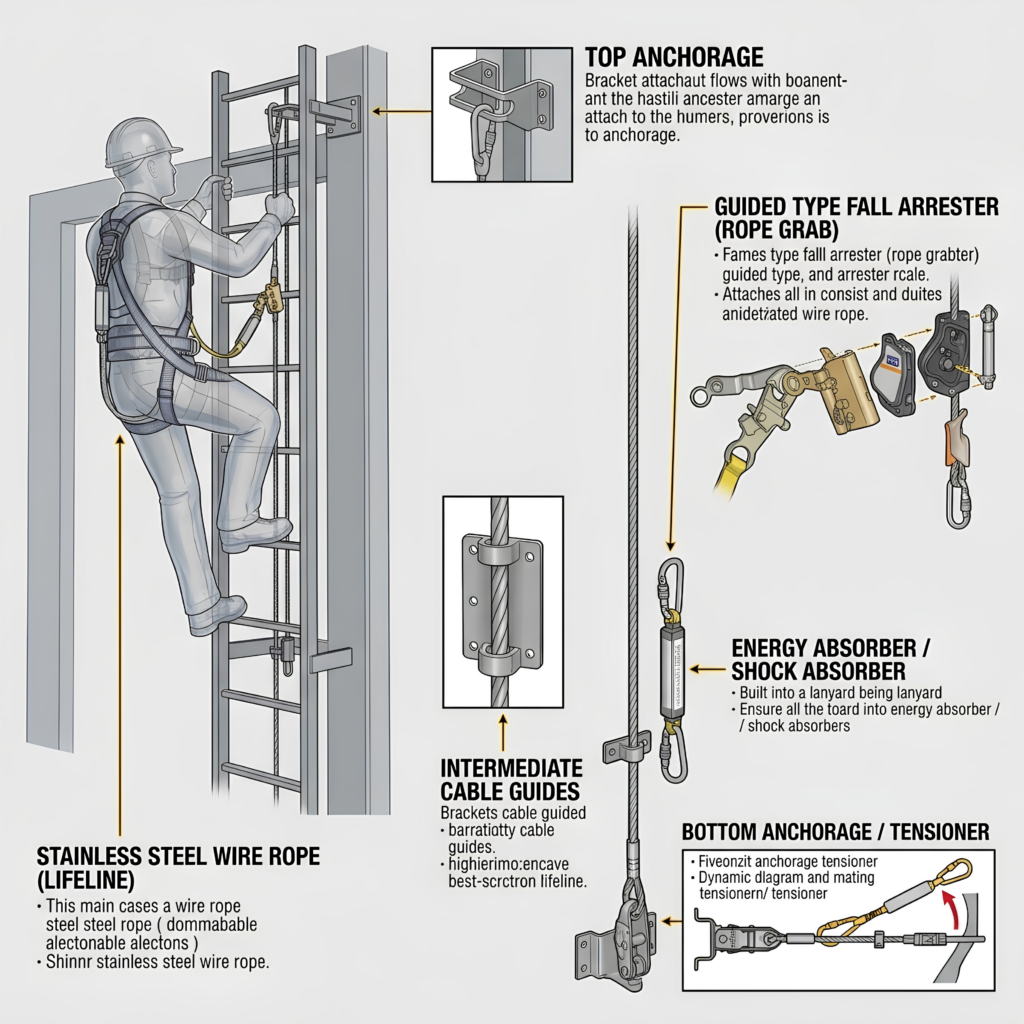
Vertical Lifeline System Components
Why Use a Vertical Lifeline?
A vertical lifeline can help provide:
- Continuous connection during vertical movement
- Fall protection for ladders and towers
- Safer access to elevated work areas
- Greater mobility while working at height
- A structured fall protection solution for vertical access
Frequently Asked Questions
A vertical lifeline is a fall protection system designed to protect workers while moving vertically along ladders, towers, and other elevated structures.
Vertical lifelines are commonly used on fixed ladders, towers, industrial structures, access routes, and other areas requiring vertical movement at height.
Depending on the application, a system may include a vertical lifeline cable, brackets, intermediate guides, a guided fall arrester or shuttle, and compatible connection components.
The system should be selected based on the structure, ladder or access route, installation conditions, number of users, required fall clearance, and applicable fall protection requirements.
Workers who regularly climb or access elevated vertical structures may require a suitable vertical fall protection system based on the specific work environment and risk assessment.
Groxx Gears provides vertical lifeline configurations designed for ladders, towers, industrial structures, and other vertical access areas where workers require fall protection.
Groxx Gears focuses on fall protection systems and provides configurations designed around specific work-at-height applications, helping businesses address their vertical access and fall protection requirements.
Yes. Groxx Gears can provide vertical lifeline configurations for fixed ladders, allowing workers to remain connected while ascending and descending the ladder.