
Horizontal Lifeline Systems for Fall Protection
Groxx Gears provides horizontal lifeline systems and fall protection components for safe work at height across roofs, concrete structures, and industrial worksites. Our horizontal lifeline solutions are suitable for standing seam roofs, trapezoidal roofs, and concrete structures, with components including lifeline cables, anchor brackets, intermediate anchors, tensioners, gliders, and shock absorbers. Groxx Gears offers practical and reliable fall protection solutions that can be configured to meet the structural and application requirements of each project. Our horizontal lifeline systems are designed to support worker safety by providing a secure connection for workers moving along elevated work areas while performing maintenance, installation, inspection, and other tasks at height. With a range of compatible components and solutions for different roof and structural conditions, Groxx Gears delivers dependable horizontal lifeline and fall protection systems for commercial, industrial, and construction applications.
Horizontal Lifeline Components
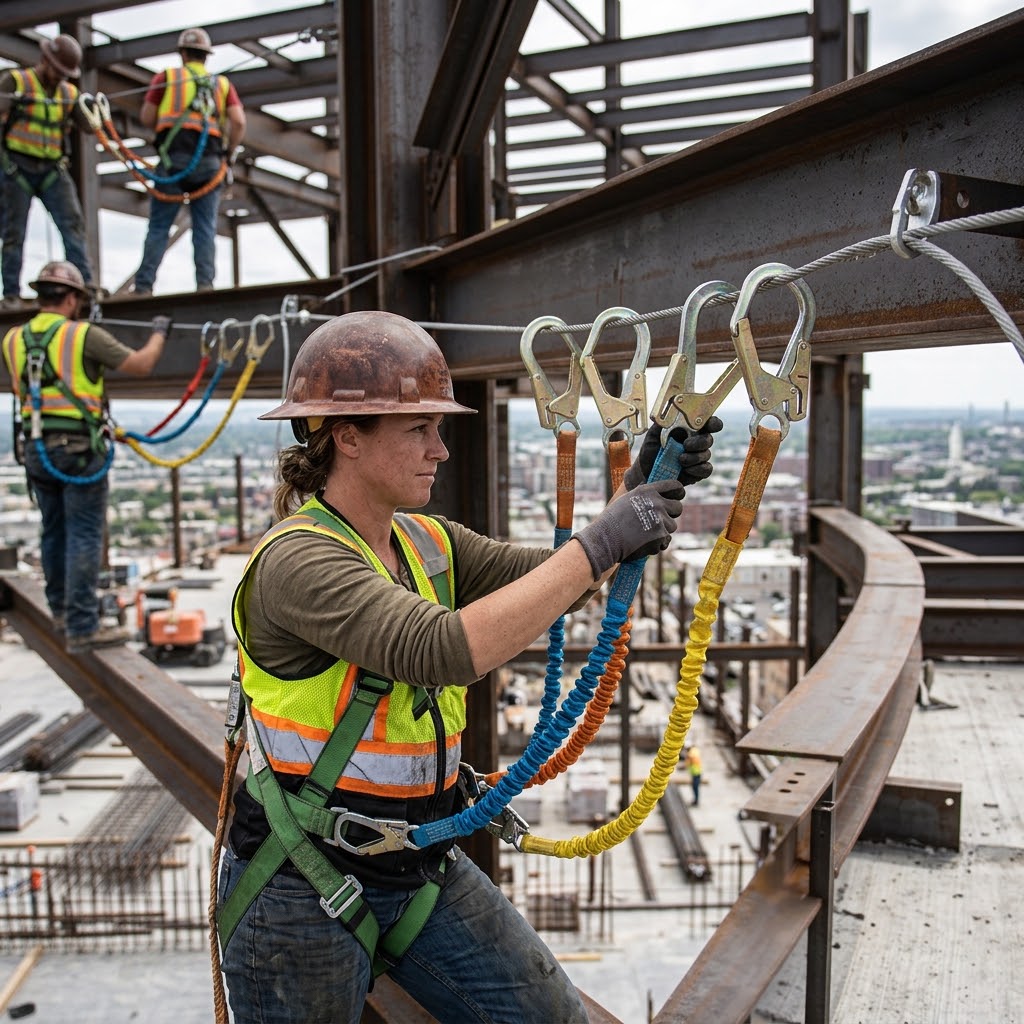
A complete horizontal lifeline system may require several compatible components depending on the structure and design.
Horizontal Lifeline Systems for Different Structures
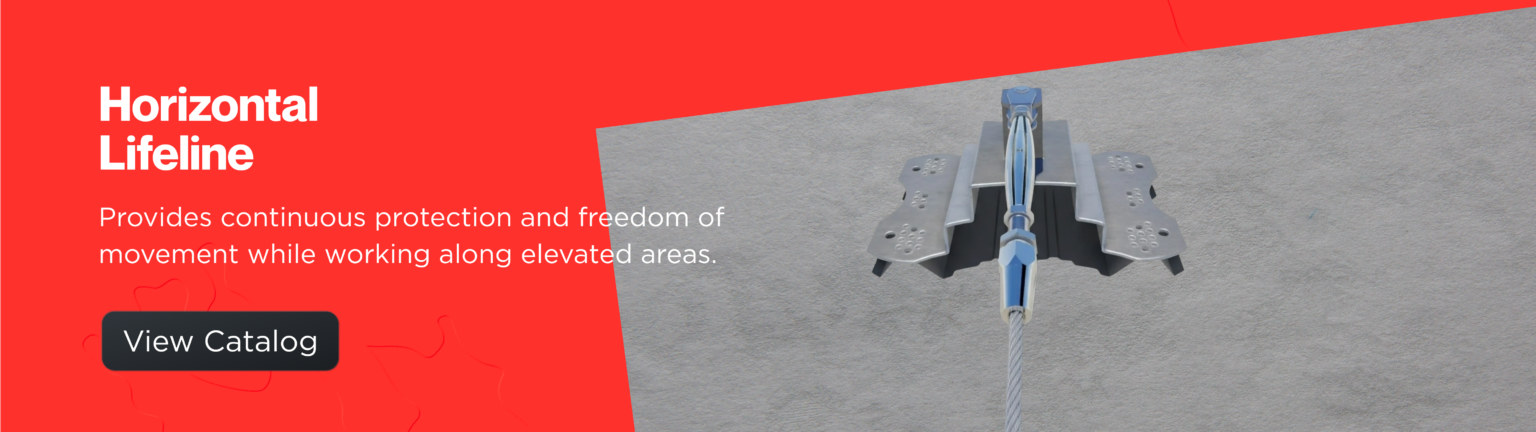
Horizontal lifeline systems are designed for different types of structures and work environments. The right configuration depends on the structure where the system will be installed and how workers need to move within the protected area.

Concrete Structures
Groxx Gears provides horizontal lifeline configurations for concrete structures, helping protect workers moving along elevated concrete areas during maintenance, inspection, and other work-at-height activities.
Standing Seam Roofs
Groxx Gears provides horizontal lifeline configurations for standing seam roofs, helping protect workers during maintenance, inspection, and other work-at-height activities while allowing movement along the roof.
Trapezoidal Roofs
Groxx Gears also provides horizontal lifeline configurations for trapezoidal roofs. The system uses suitable roof-specific components to create a fall protection route along the working area.
Industrial Work Areas
Horizontal lifelines provide reliable fall protection for workers moving across elevated surfaces in industrial work areas, while maintaining continuous connection throughout the work area.
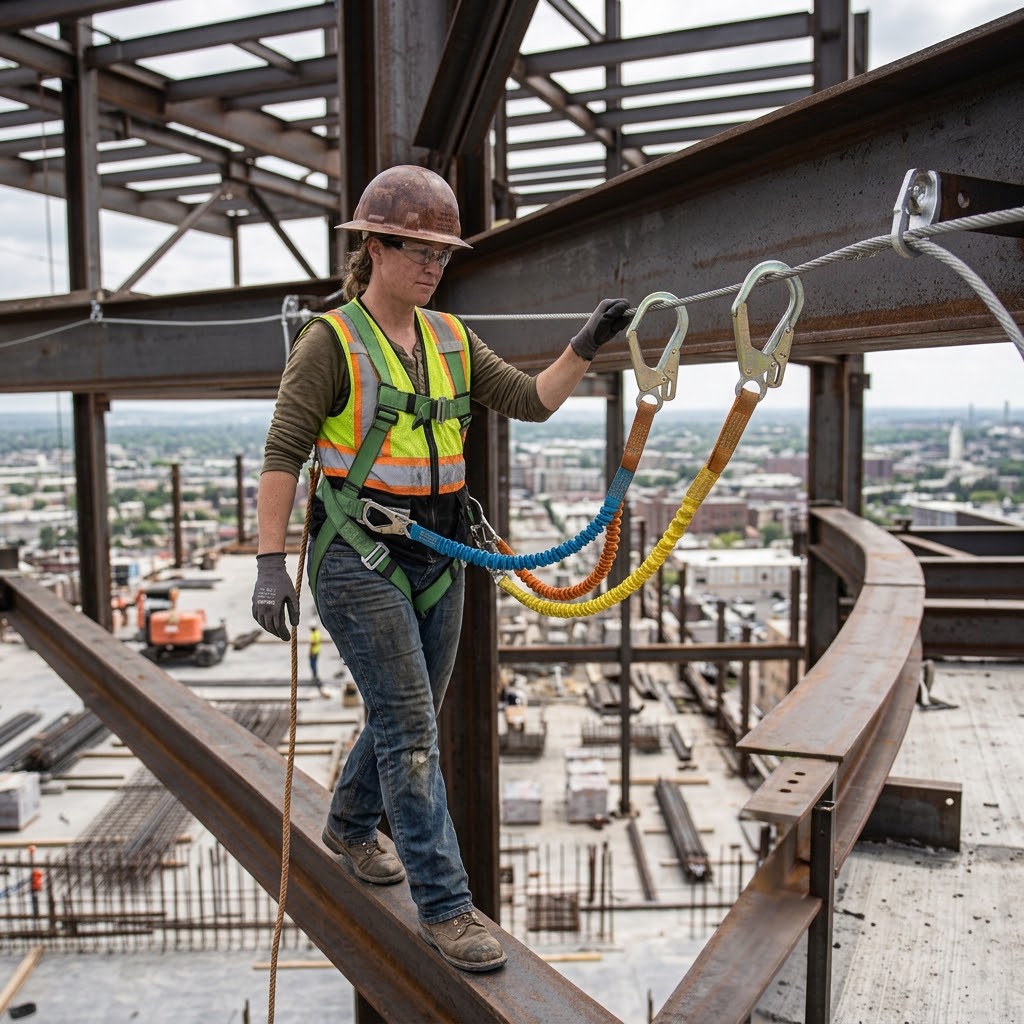
Why Use a Horizontal Lifeline?
Groxx Gears provides horizontal lifeline systems designed to support fall protection across different work areas and structural applications. Its range includes horizontal lifeline configurations for concrete structures, standing seam roofs, and trapezoidal roofs, along with compatible components such as lifeline cables, anchor brackets, intermediate anchors, gliders, tensioners, and shock absorbers. Groxx Gears offers these solutions to help businesses select a suitable horizontal lifeline configuration based on their structure and work-at-height requirements.
Horizontal Lifeline Applications
Horizontal lifeline systems can be considered for applications such as:
- Roof inspection
- Roof maintenance
- Industrial maintenance
- Building maintenance
- Structural inspection
- Elevated work areas
- Access routes on roofs
- Facility maintenance
- Construction and industrial worksites
The appropriate system depends on the structure, work activity and required fall protection arrangement.
Frequently Asked Questions
A horizontal lifeline system is a fall protection system that allows workers to move along a horizontal work area while remaining connected to a lifeline. Groxx Gears provides horizontal lifeline configurations for applications including concrete structures, standing seam roofs, and trapezoidal roofs.
A horizontal lifeline connects to designated structural anchor points and provides a continuous connection for workers moving across an elevated area. Groxx Gears offers compatible components such as stainless steel wire rope, brackets, intermediate anchors, tensioners, gliders, and shock absorbers.
Horizontal lifelines are used in areas where workers need to move along elevated surfaces while maintaining fall protection. Groxx Gears provides configurations for roofs, concrete structures, and industrial work areas, depending on the system requirements.
Yes, depending on the roof structure and the suitability of the system. Groxx Gears provides horizontal lifeline configurations for standing seam and trapezoidal roofs, with corresponding roof clamps, posts, and intermediate anchorage components.
The appropriate system depends on the roof construction. Groxx Gears currently provides solutions specifically listed for standing seam roofs and trapezoidal roofs, alongside other horizontal lifeline configurations.
A system may require a lifeline cable, end anchorages, intermediate brackets, tensioners, energy absorbers, and a compatible traveler or glider. Groxx Gears provides these types of components within its horizontal lifeline product range.
The selection should start with the structure, roof type, work area, required coverage, number of users, and system configuration. Groxx Gears provides different horizontal lifeline configurations and components to accommodate various structural applications.
Yes. Groxx Gears offers a Horizontal Lifeline on Concrete Structure as part of its product range. The appropriate anchorage and supporting components should be selected according to the structure and system design.
Multiple-user capability depends on the specific system, components, installation configuration, and manufacturer’s requirements. Groxx Gears offers system components and configurations designed for different applications, so the user capacity should be confirmed for the specific system being specified.
A fixed anchor point provides a designated connection location, while a horizontal lifeline allows a worker to move along a protected route while remaining connected. Groxx Gears provides both anchor points and horizontal lifeline systems as part of its fall protection range.
A horizontal lifeline glider or traveler is a mobile component that connects the worker’s fall protection equipment to the lifeline and allows movement along the system. Groxx Gears lists a Horizontal Glider among its horizontal lifeline components.
A shock absorber is used as part of a fall protection system to help manage forces generated during a fall. Groxx Gears includes GO Shock Absorber among its horizontal lifeline components.
Yes. Groxx Gears provides both complete horizontal lifeline configurations and individual system components, allowing solutions to be specified according to the application and supporting structure.