
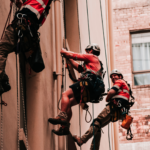
Lifeline Configurations in Singapore – Engineered Fall Protection Systems
Choose the right lifeline system for your work-at-height application with Groxx Gears. Our horizontal, vertical, overhead, and rigid rail lifeline configurations are designed for different structures, access requirements, and worker movement, including concrete structures, metal roofs, vertical access, and overhead applications. Each system combines compatible lifeline, anchorage, and travelling components for the specific application, providing a complete fall protection solution for construction, building maintenance, industrial facilities, roofing, infrastructure, and other work-at-height applications in Singapore and across ASEAN.
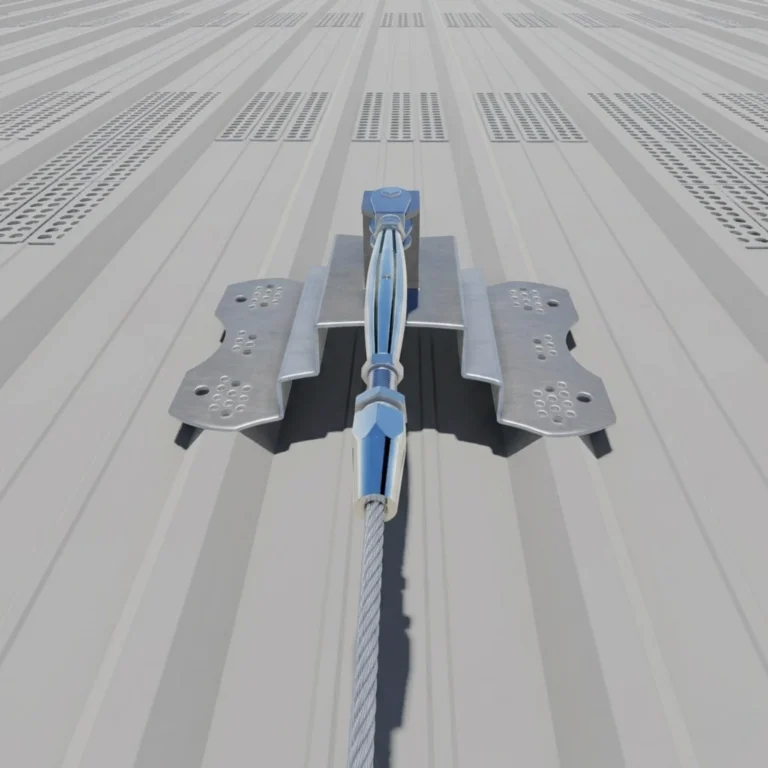
Engineered Lifeline Configurations for Work at Height
Lifeline systems designed for horizontal, vertical, overhead, and rigid rail applications. Suitable for roofs, concrete structures, vertical access, and industrial facilities, with complete solutions that include compatible lifeline, anchorage, and travelling components.

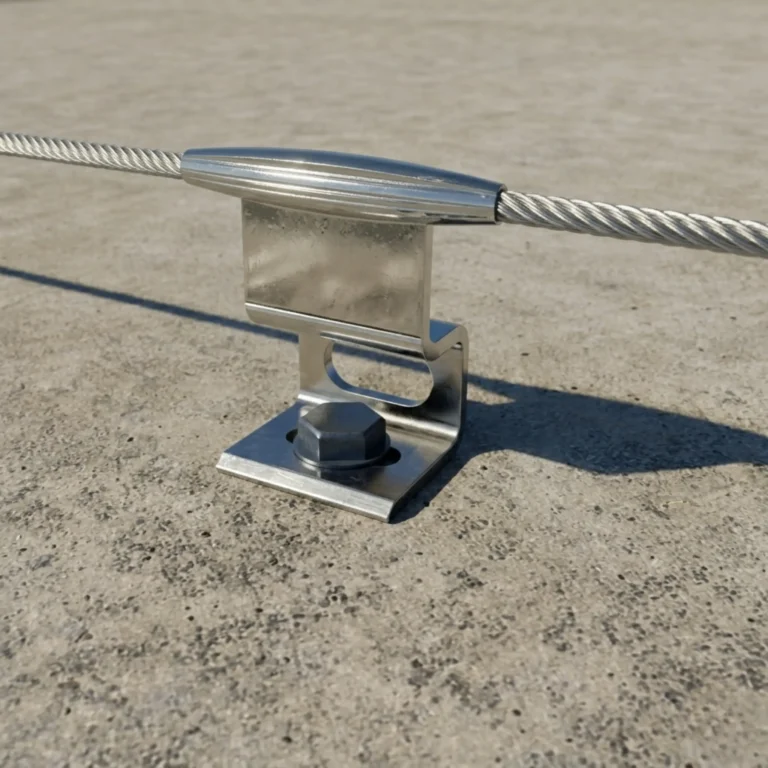
Lifeline Systems Designed for Different Structures
A lifeline system must suit the structure, work area, worker movement and potential fall hazard. There is no single configuration suitable for every application.
Groxx Gears provides lifeline configurations for:
- Horizontal lifelines on concrete structures
- Horizontal lifelines on standing seam roofs
- Horizontal lifelines on trapezoidal roofs
- Vertical lifeline systems
- Vertical lifelines with extension posts
- Overhead lifelines on rigid structures
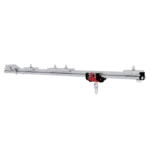
- Rigid rail lifeline systems
- Engineered horizontal lifeline configurations
Each configuration provides an application-specific starting point for selecting a suitable fall protection system.
What Is a Lifeline System?
A lifeline system is a coordinated fall protection arrangement consisting of compatible anchorage, lifeline and travelling components designed for a specific work-at-height application.
Depending on the system, components may include:
- Lifeline cable or rigid rail
- End anchors
- Intermediate anchors or brackets
- Corner brackets
- Travellers or sliders
- Energy absorbers
- Extension posts
- Structural mounting components
- Compatible personal fall protection equipment
The final system must be selected and installed based on the structure, application, manufacturer’s requirements and applicable safety standards.
Frequently Asked Questions
A lifeline system is a coordinated fall protection arrangement designed for a specific structure and work-at-height application. Depending on the configuration, it may include lifeline cables or rails, anchors, brackets, travellers, energy absorbers and other compatible components.
Groxx Gears’ lifeline configuration range includes horizontal lifelines for concrete, standing seam and trapezoidal roofs, vertical lifelines, a vertical lifeline with an extension post, an overhead lifeline for rigid structures and a rigid rail lifeline.
The appropriate lifeline depends on the roof construction. Groxx Gears offers separate configurations for standing seam and trapezoidal roofs because these roof types have different structural and attachment requirements.
Yes. A horizontal lifeline can be designed for suitable concrete structures. However, the concrete substrate, anchorage method, structural capacity and installation conditions must be assessed before installation.
An overhead lifeline is a fall protection system positioned above the worker. It provides a continuous travel path and can be used for maintenance and inspection activities beneath or alongside suitable overhead structures.
A cable lifeline uses flexible wire rope as the travel line, while a rigid rail lifeline uses a fixed structural rail.
Rigid rail systems provide a fixed travel path and may be suitable where controlled movement and reduced sag are important considerations.
Some lifeline systems are designed and tested for multiple users, but user capacity is specific to the system and its configuration.
The permitted number of users should always be confirmed using the applicable technical documentation and the actual system design.
For example, Groxx Gears’ GGHVB062 rail system is published as supporting multiple users when the configuration and support spacing follow the engineering design.
Fall protection systems should be inspected before use and maintained according to the manufacturer’s instructions and applicable requirements.
Depending on the system and jurisdiction, periodic professional inspection or recertification may also be required.
The right fall protection solution starts with understanding your structure and work area. Tell Groxx Gears about your roof type, building structure, work area, number of workers, and required movement. The team can then help identify the appropriate lifeline configuration for your project. Explore the available lifeline systems or contact Groxx Gears for project-specific fall protection assistance.