

Rope Access
Rope Access Equipment – Anchors, Harnesses & Rope Grabs
Rope access lets trained technicians reach building facades and structures from ropes attached to certified anchors, with a working line and an independent safety line. Groxx Gears supplies the equipment rope access teams rely on: EN 795 roof anchors, sit and work positioning harnesses, EN 353-2 rope grabs and EN 362 carabiners.
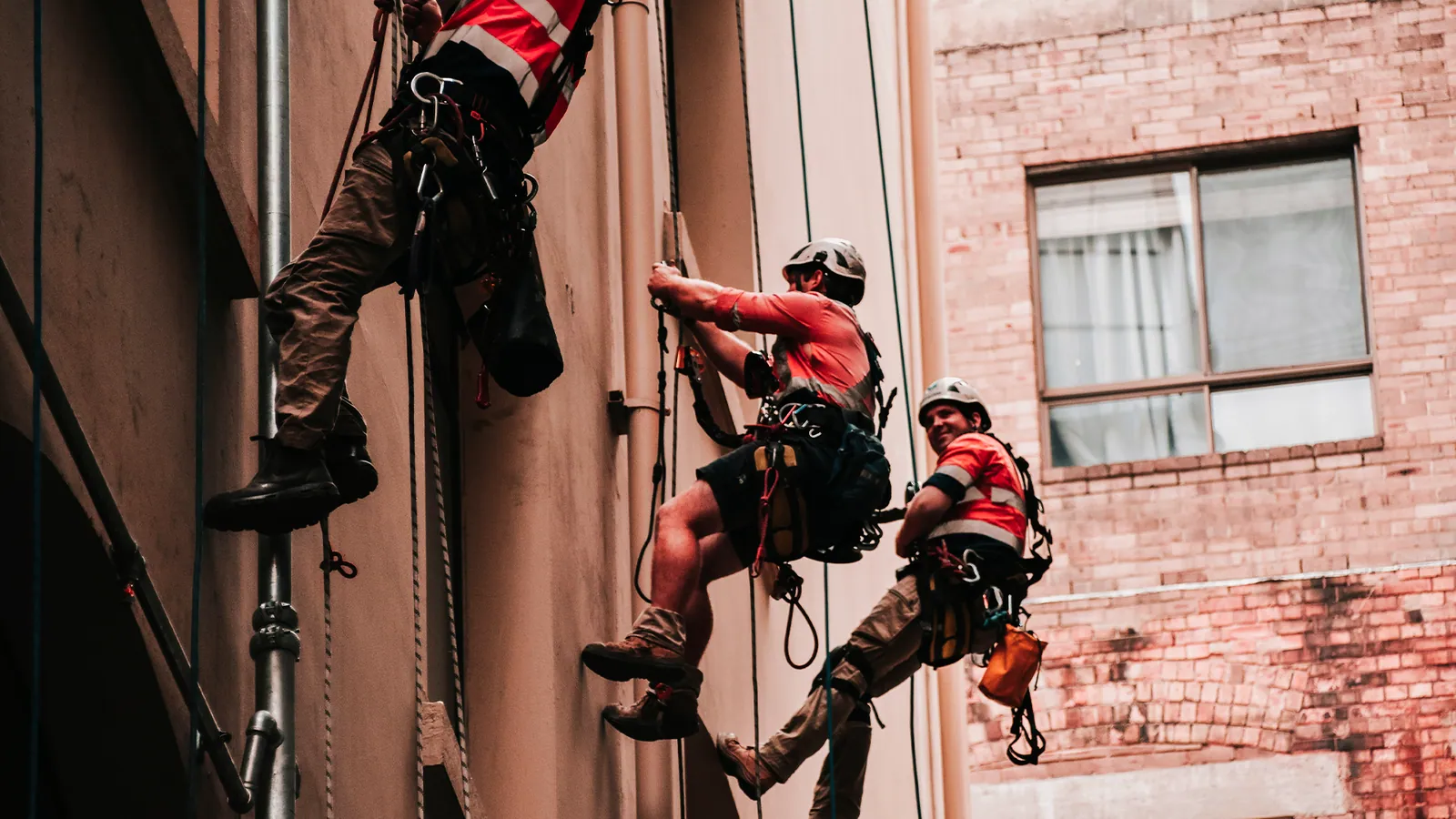
What is rope access?
Rope access lets trained technicians reach facades, glazing, structures and difficult areas by working from ropes attached to certified anchors. Set-up is quick, the equipment is light, and there is little disruption to the building, which makes rope access a practical choice for inspections, repairs, cleaning and installations where a BMU or gondola cannot reach.
A rope access system always uses two independent ropes: a working line and a safety line with a back-up device, each attached to its own anchor.
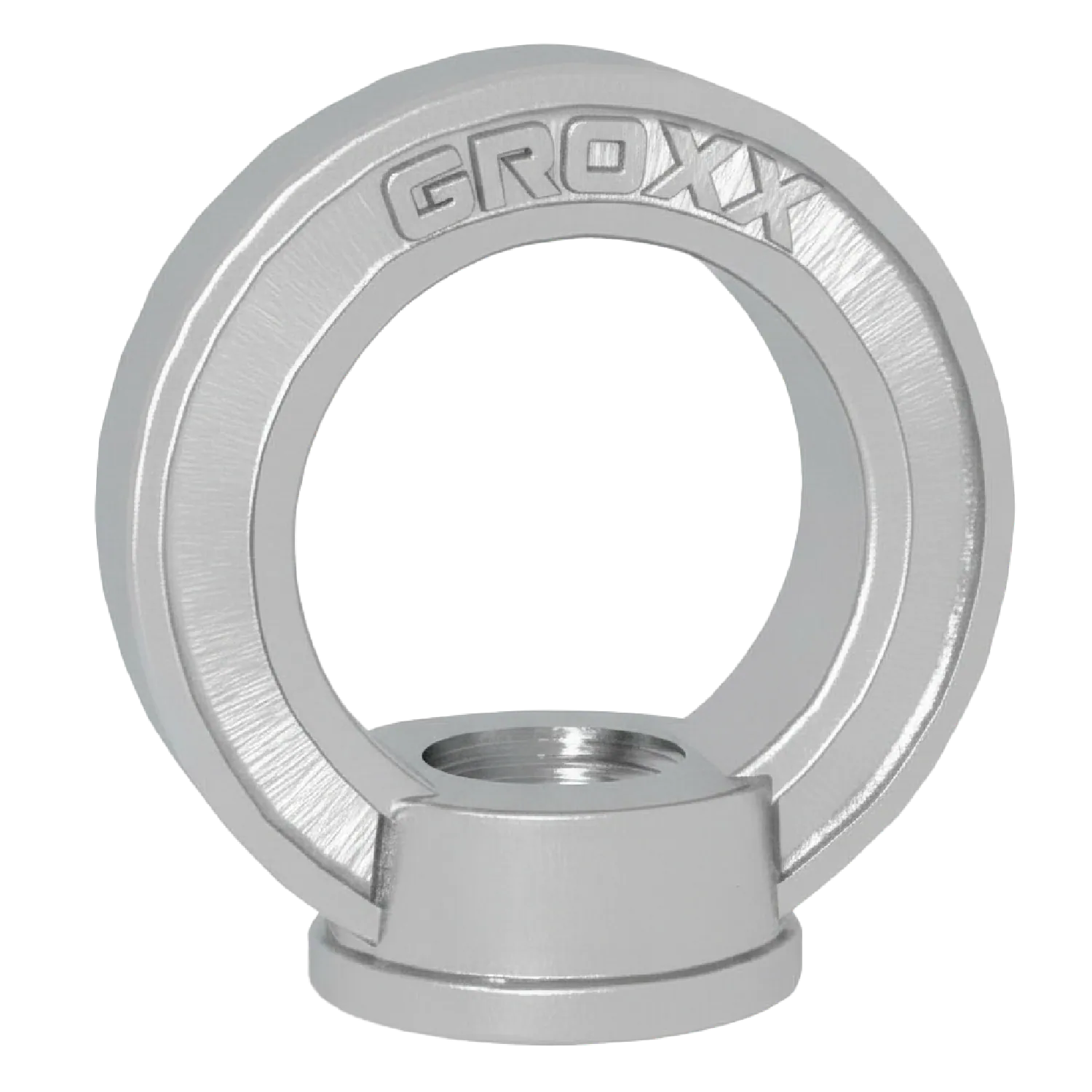
Anchors for rope access
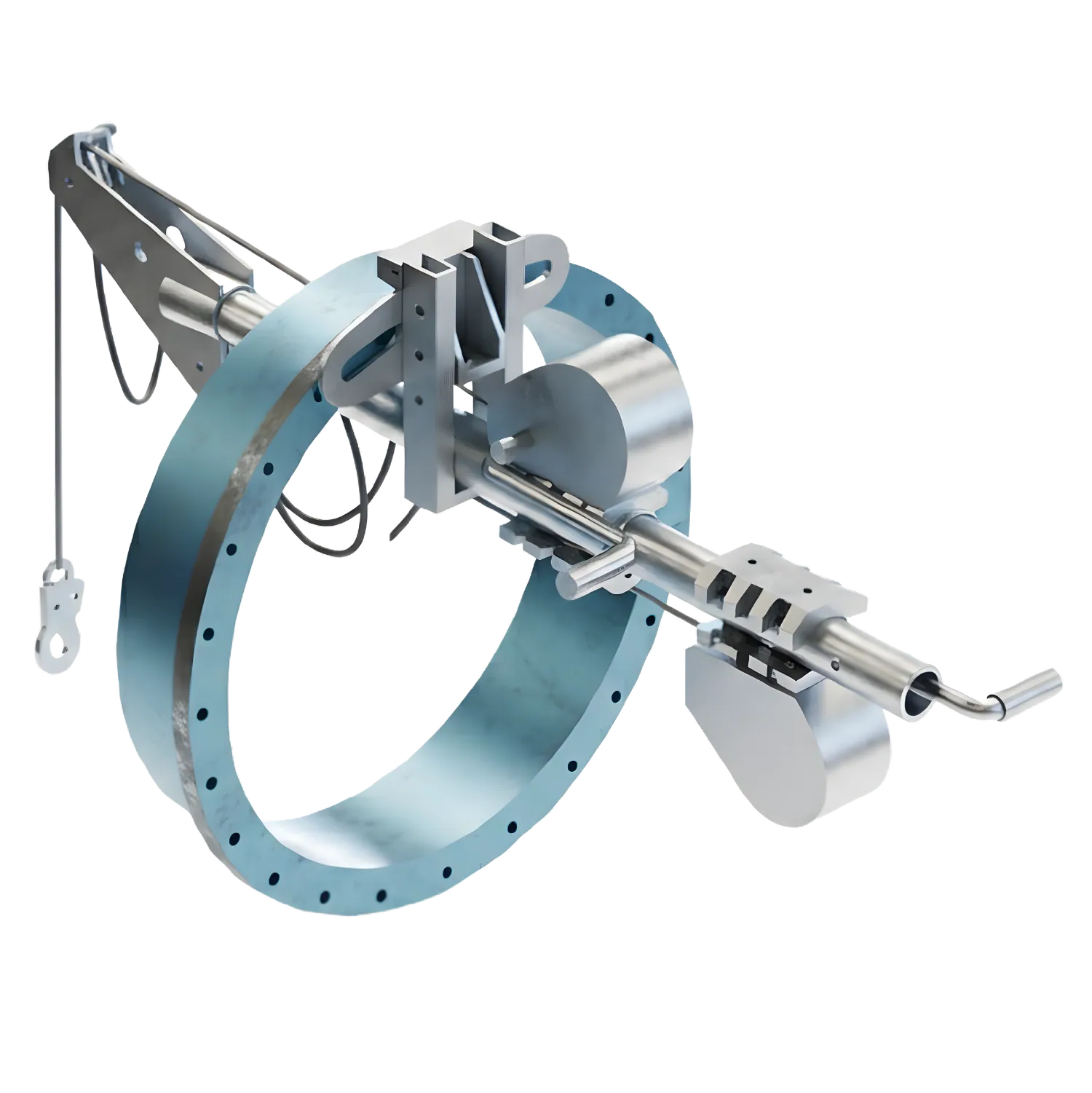
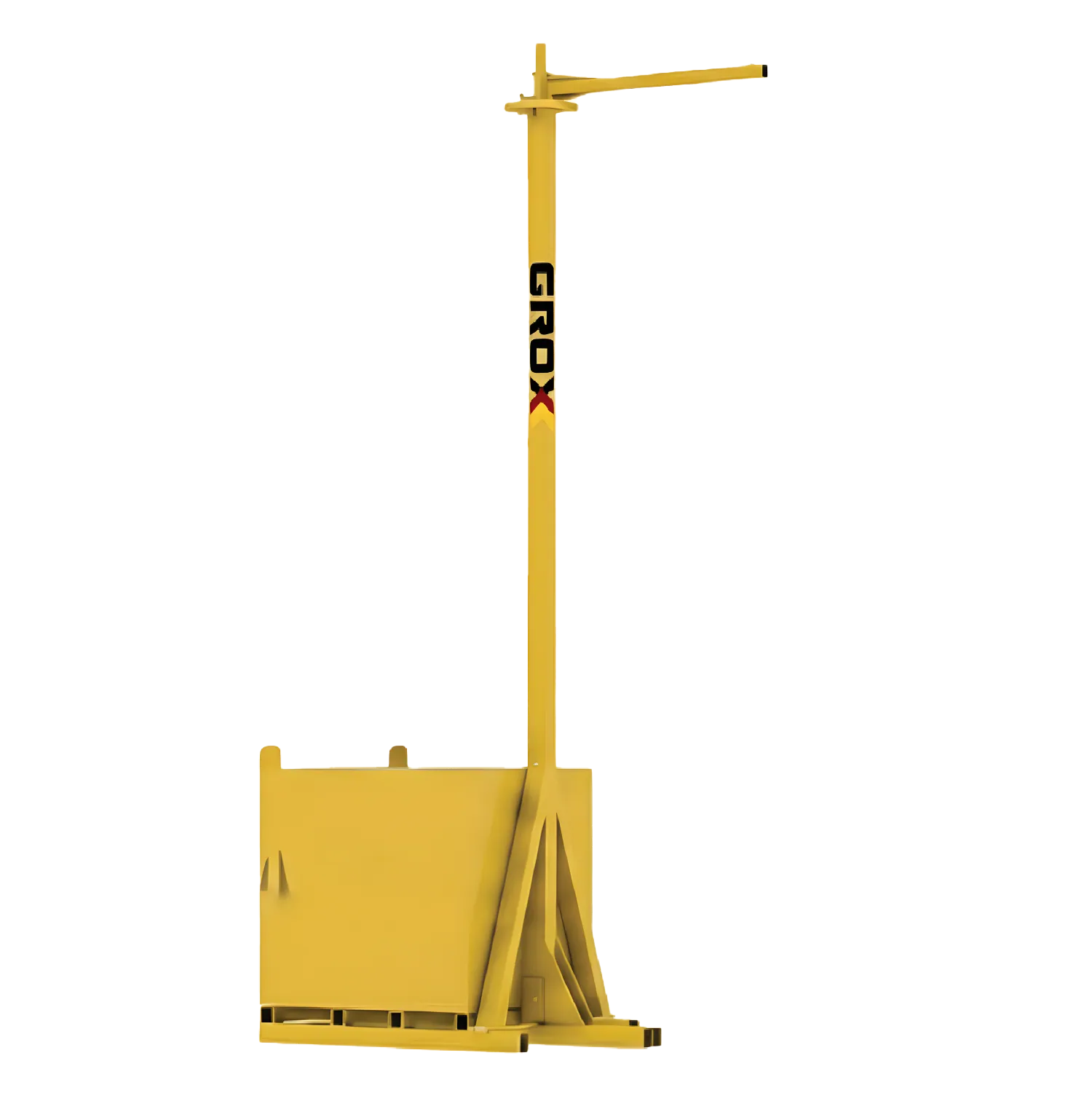
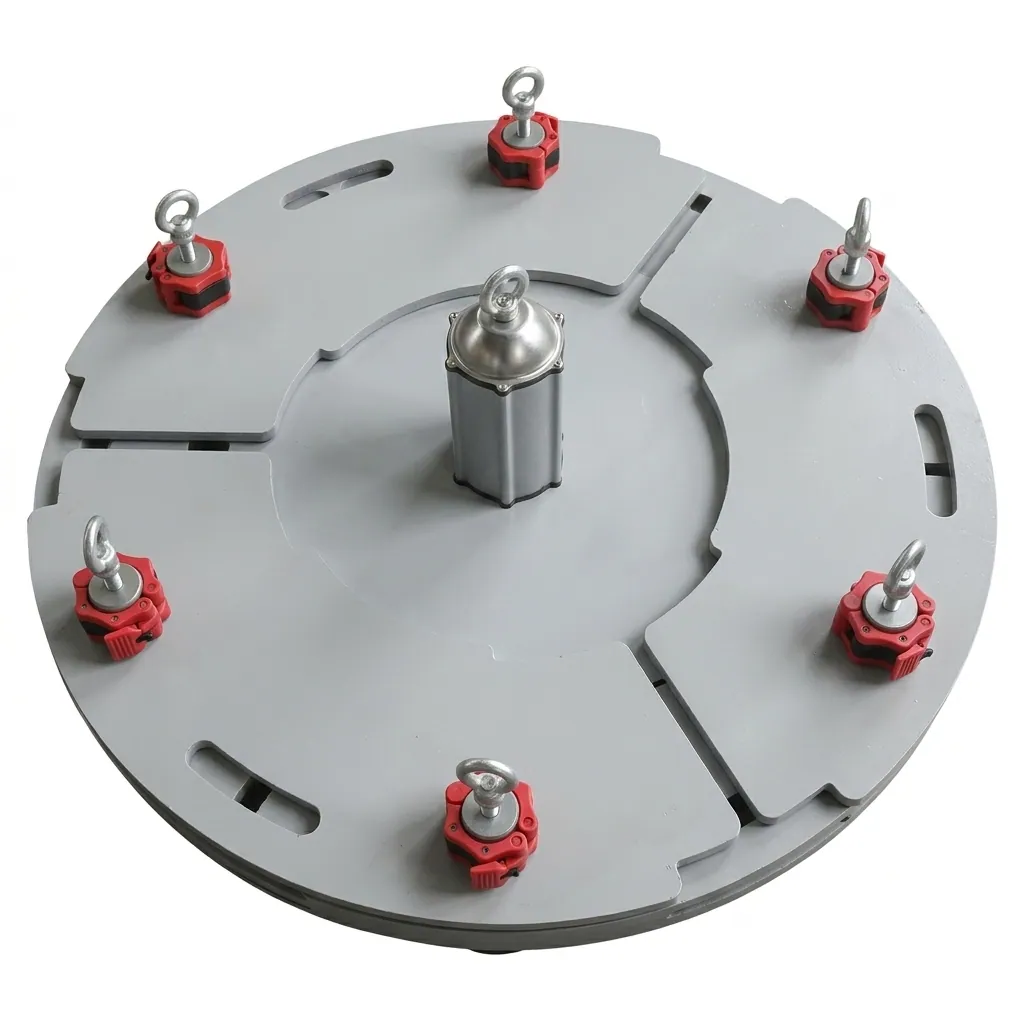
Every rope access job starts with reliable anchorage. Groxx supplies EN 795 anchors for roofs and structures, including the GROXX Ultra Anchor Point, the Side Access Lateral Anchor and, for flat roofs where drilling is not possible, the Overhead Counterweight Anchor and Standalone Counterweight Anchor Post.
See all anchor points.
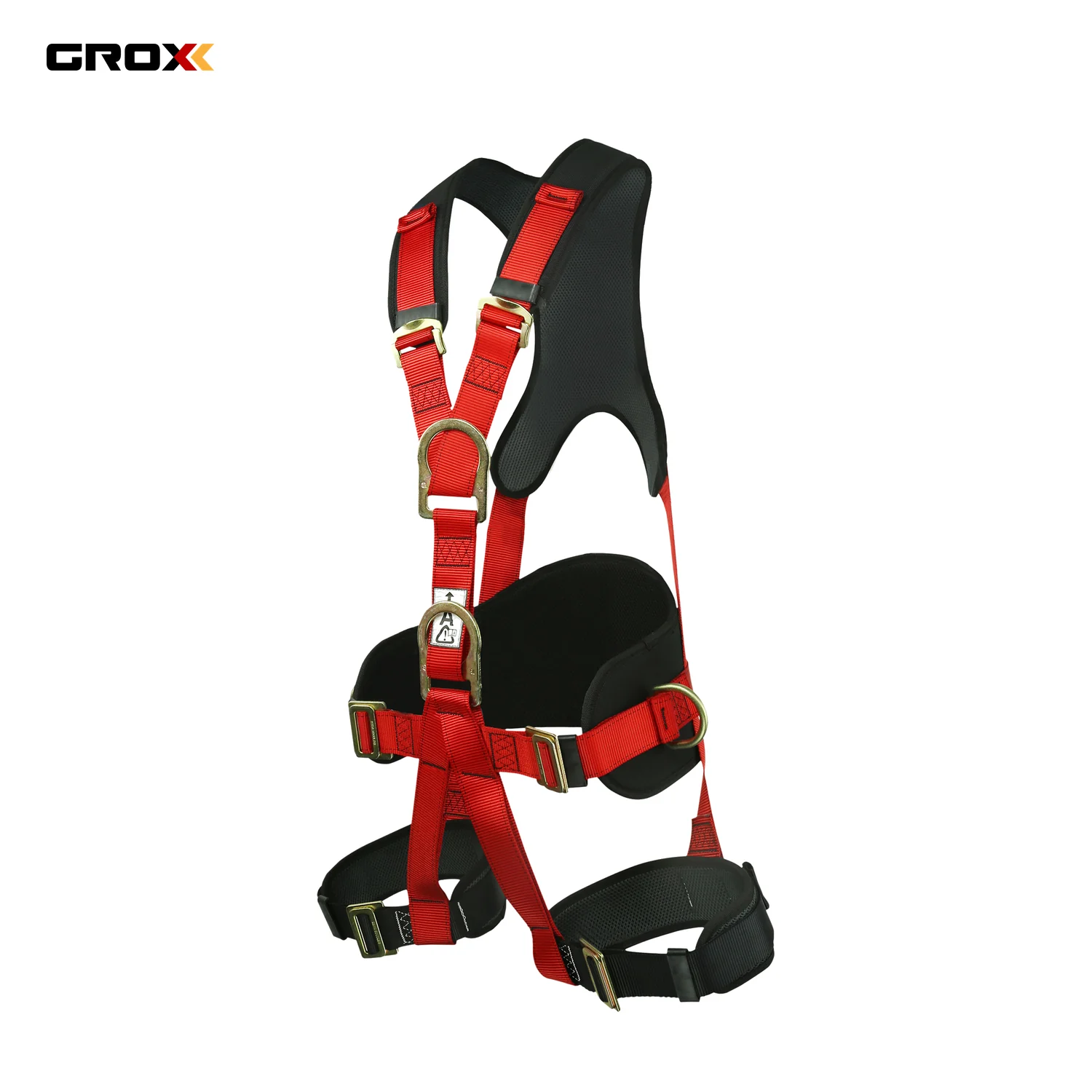
Harnesses for rope access and work positioning
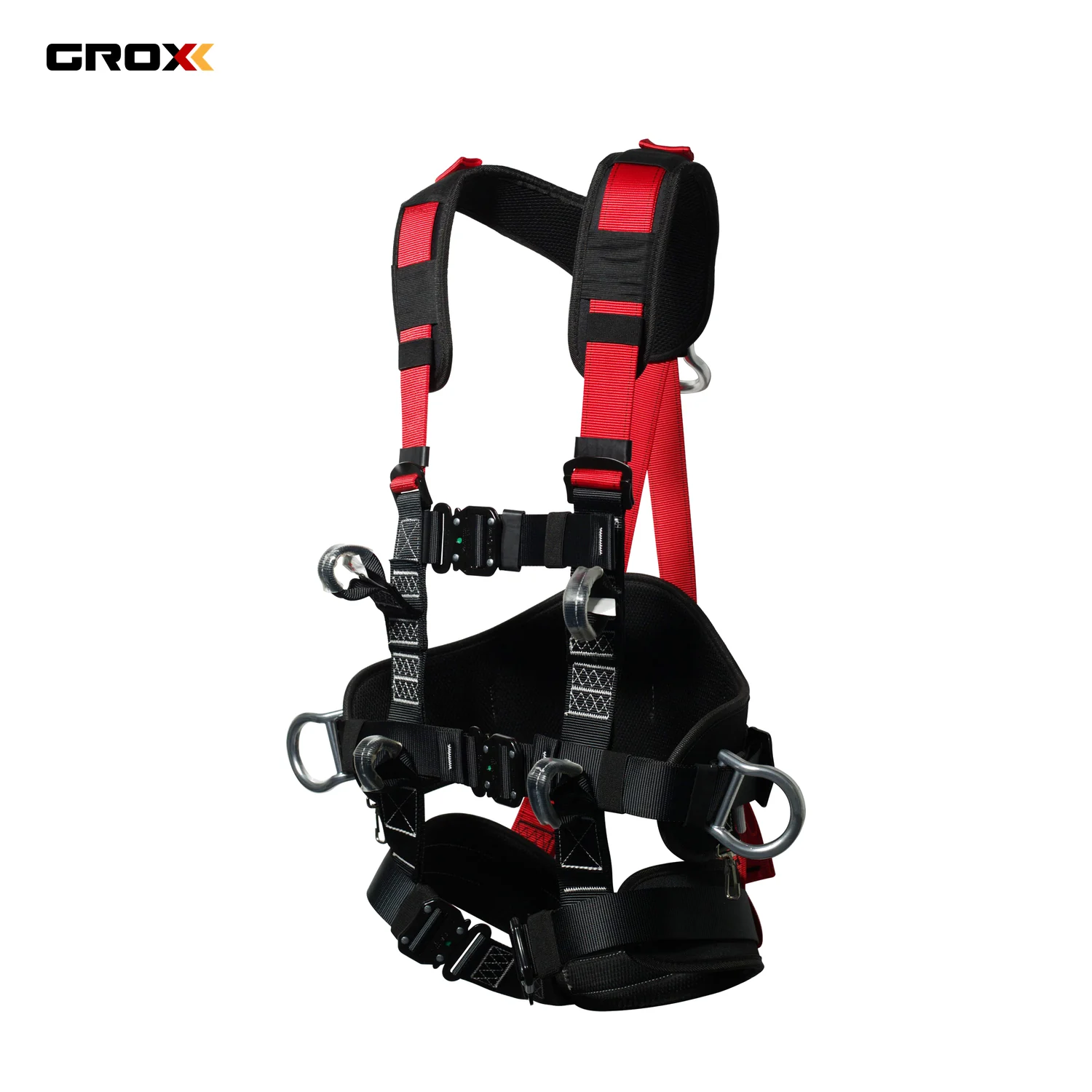
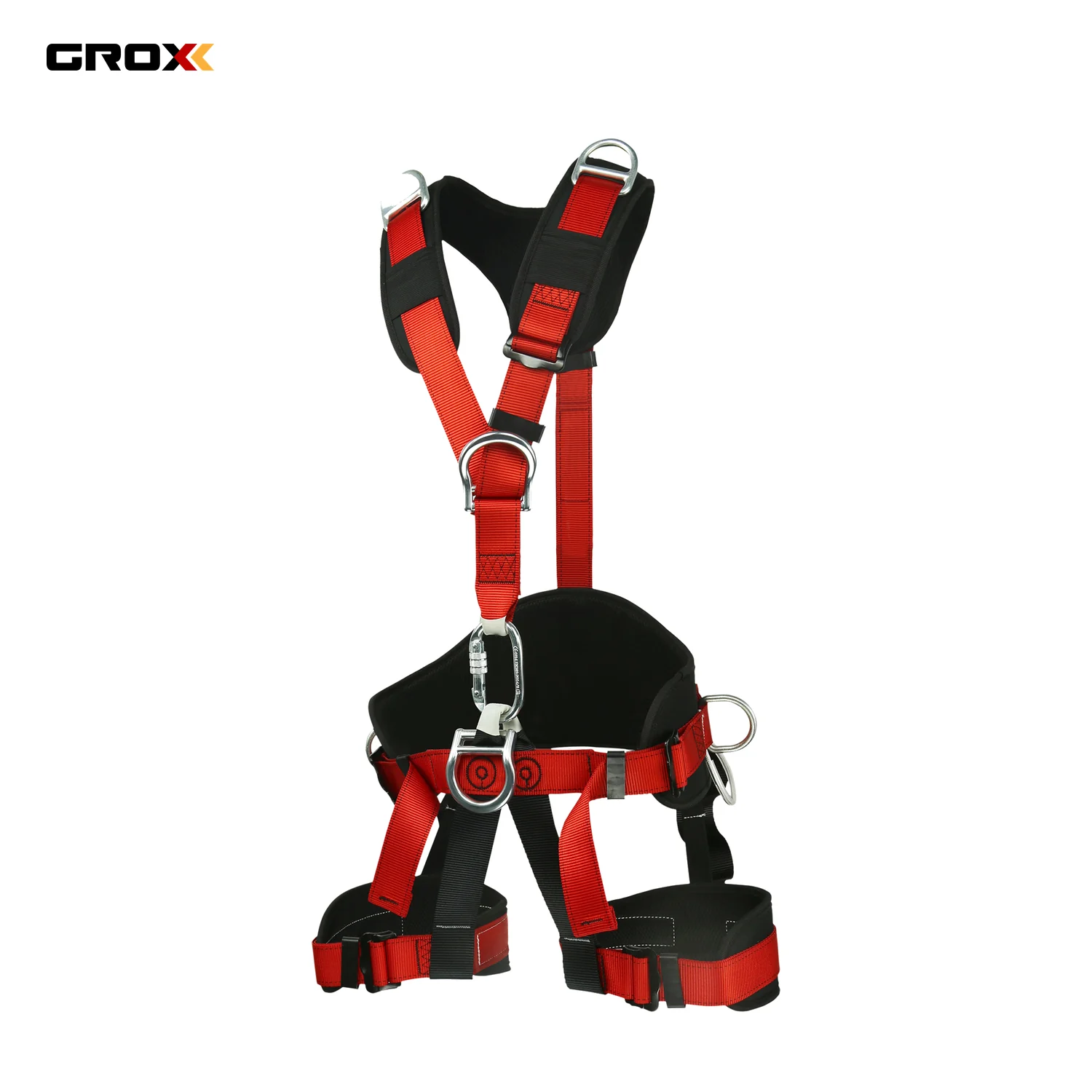
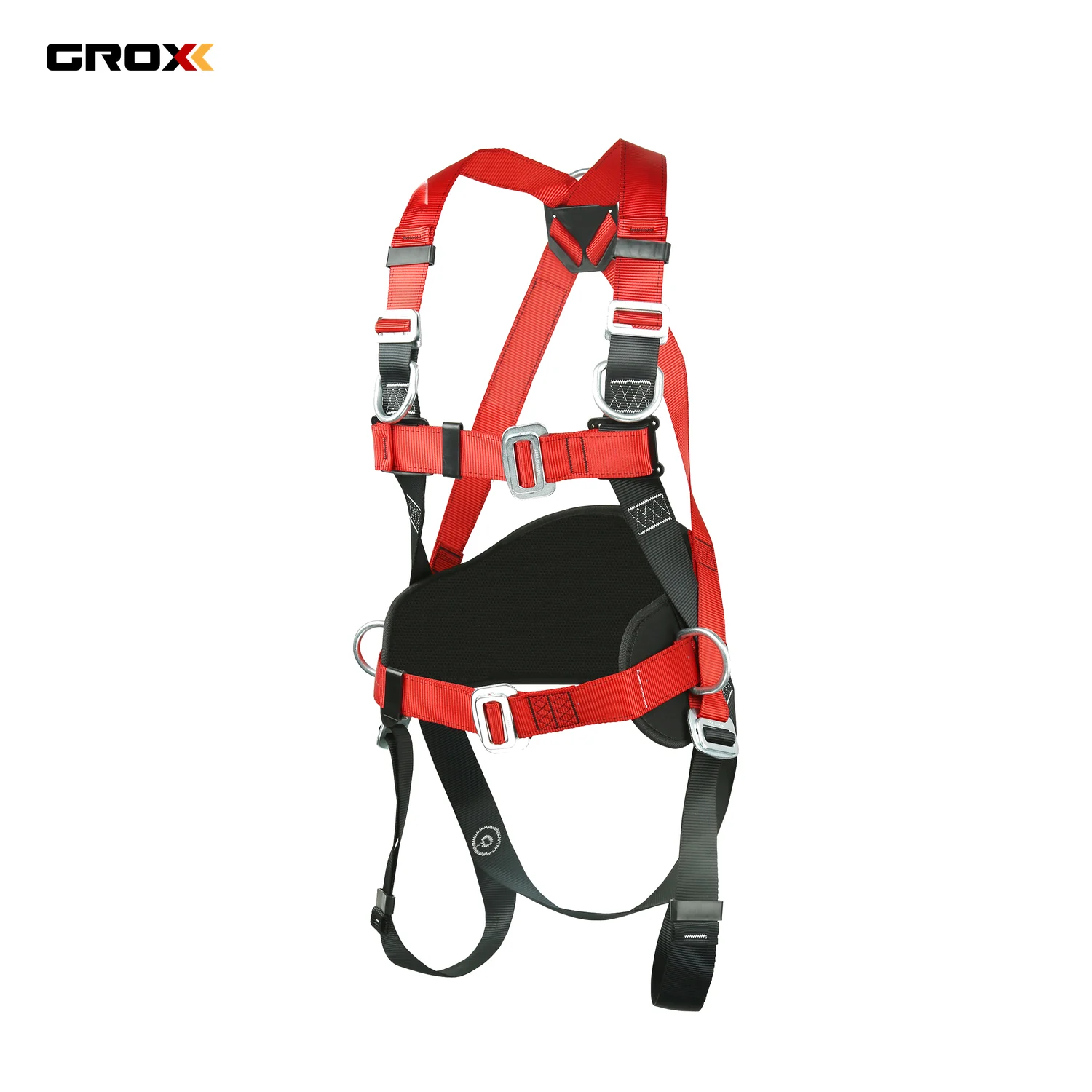
Rope access harnesses combine a sit harness for comfort on the rope with a full body harness for fall arrest. Groxx offers the Sit Harness with Full Body Harness, 5-Point, Ventral D-Ring (EN 361 + EN 358 + EN 813), work positioning harnesses and the Rescue Harness with Work Positioning Belt and Sit Harness.
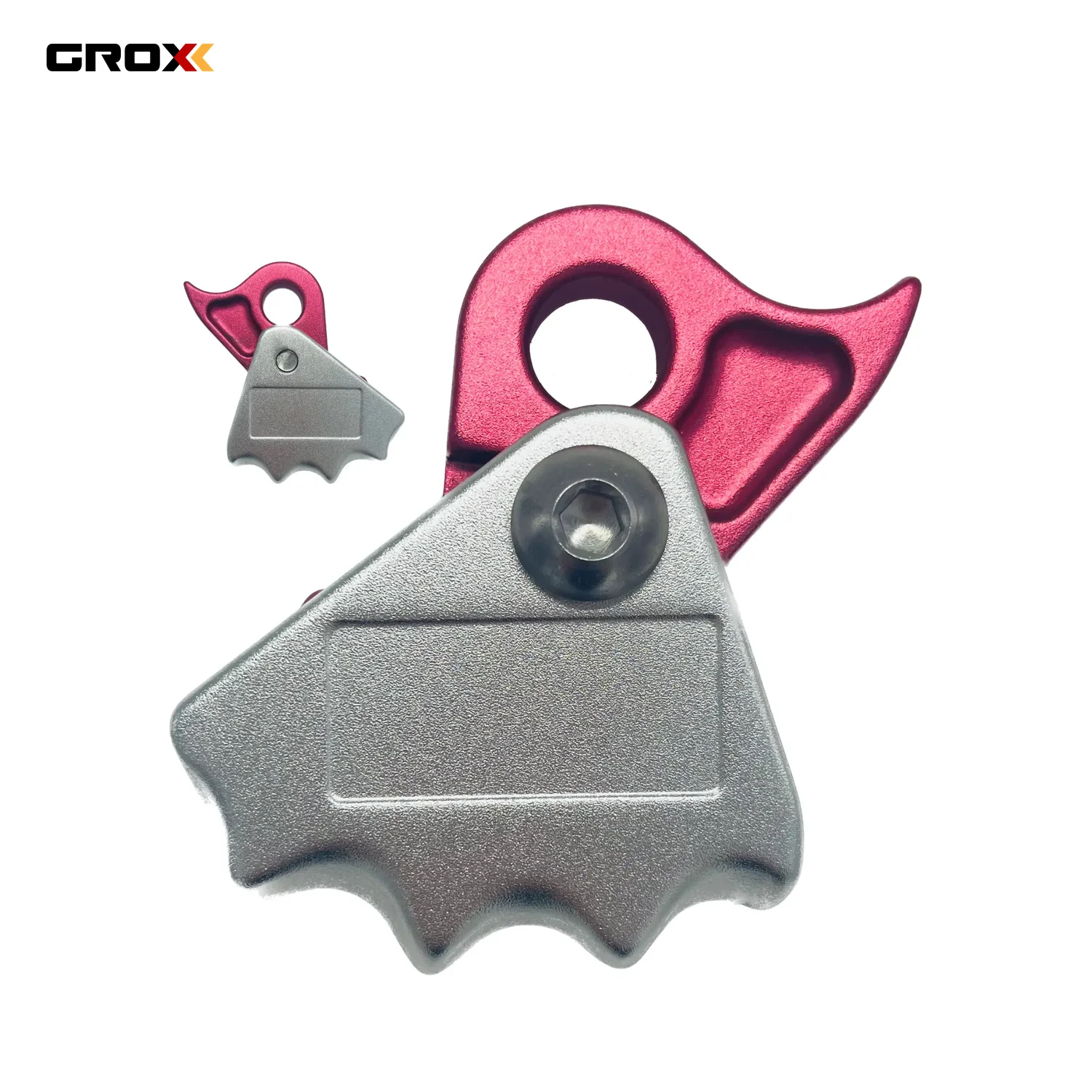
Rope grabs and connectors
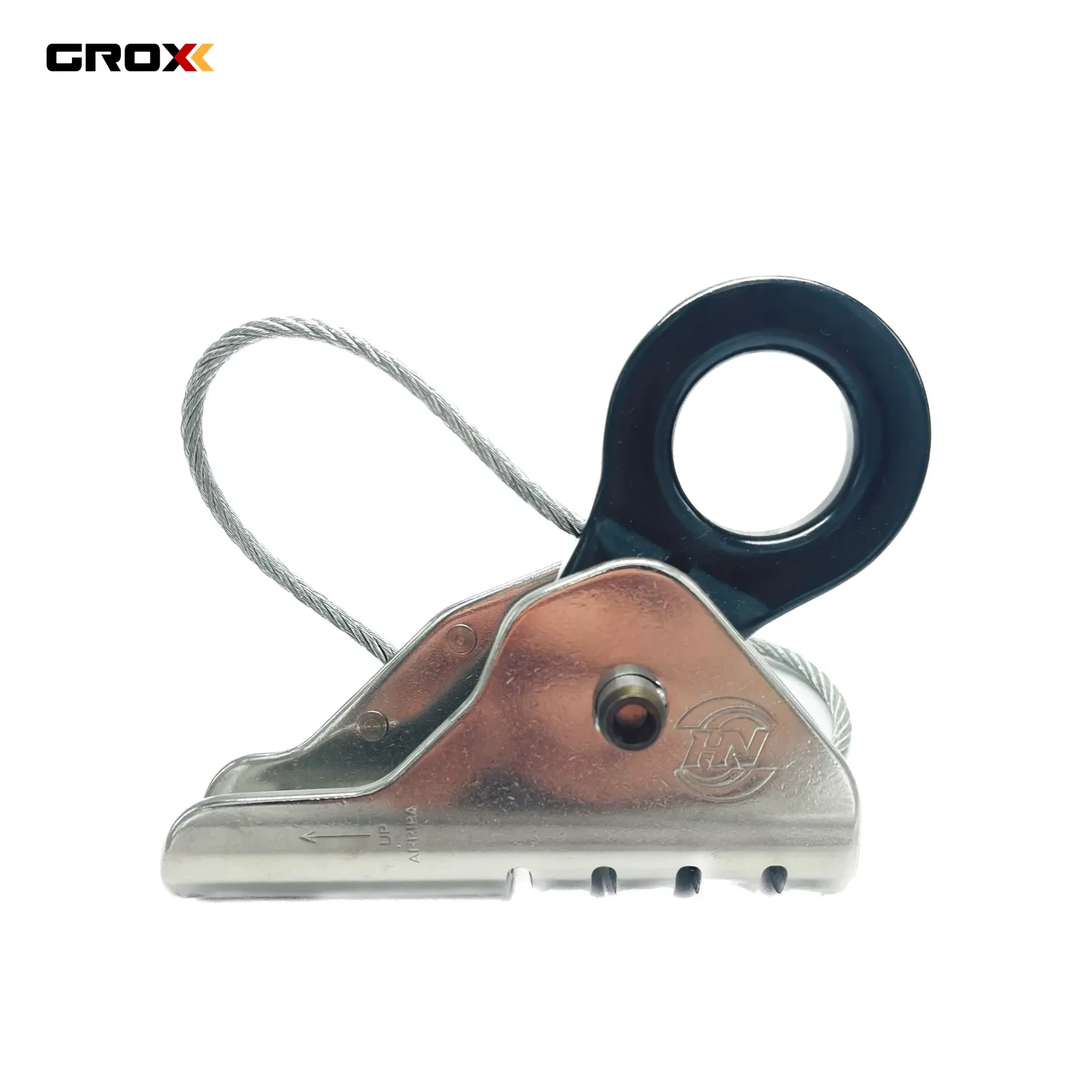
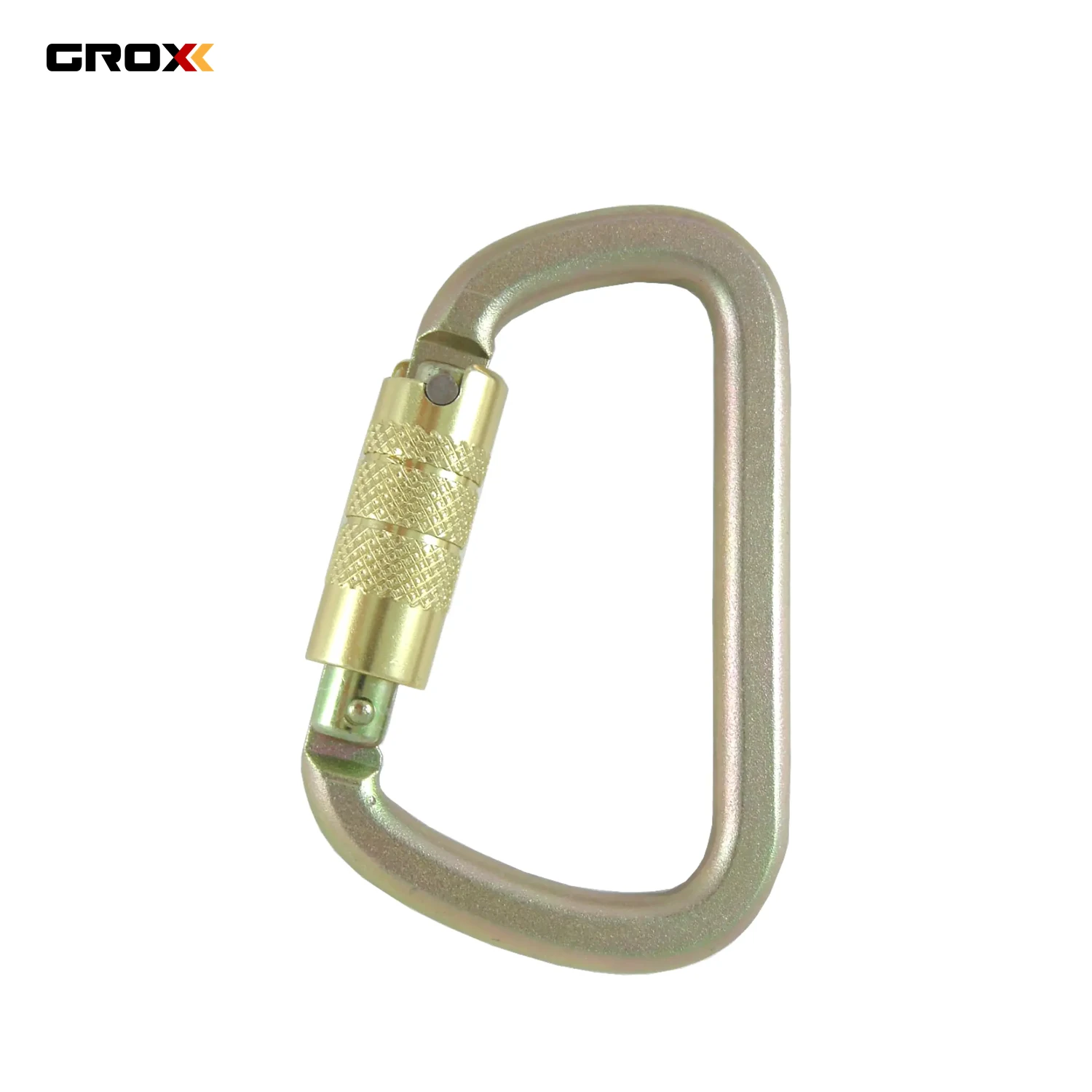
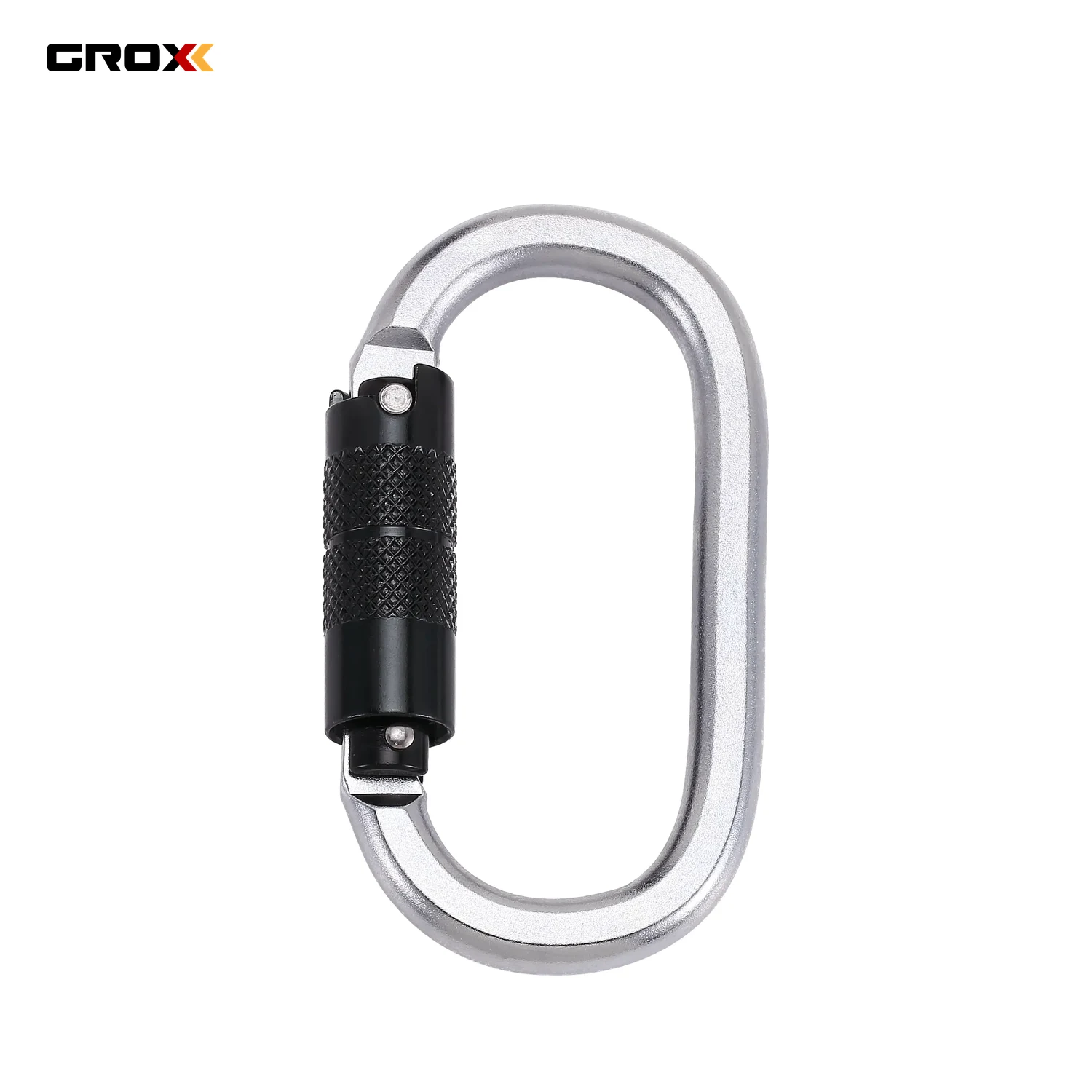
On the safety line, a guided-type fall arrester (rope grab) follows the technician and locks if they fall. Groxx rope grabs are designed to EN 353-2 for 11–16 mm ropes, and Groxx carabiners are EN 362 connectors in steel and stainless steel with screw, twist and triple locks.
Planning rope access work
- Anchors: two independent EN 795 anchors per technician, rated and tested for the load.
- Ropes and devices: a working line and a safety line with a back-up device matched to the rope diameter.
- Edges: rope protectors wherever ropes pass over parapets or sharp edges.
- People: trained and certified technicians (for example IRATA or SPRAT) with a supervisor.
- Rescue: a written rescue plan and the kit to carry it out.
For regular facade maintenance on tall buildings, compare rope access with a building maintenance unit or gondola.
Products
Rope Access Equipment
Fall Arrest System
Anchor Point
Fall Arrest System
Anchor Point
Personal Protective Gear
Personal Protective Gear
Personal Protective Gear
Personal Protective Gear
Fall Arrest System
Fall Arrest System
Fall Arrest System
Fall Arrest System
FAQ
Frequently Asked Questions
What is rope access?
Rope access is a way of working at height where trained technicians hang from ropes attached to secure anchors to reach facades and structures. It is often used where a BMU, gondola or scaffold is not practical.
Why are two ropes used?
Rope access normally uses two independently anchored ropes: a working line that carries the technician and a safety (back-up) line with a fall arrester. If one rope or its anchor fails, the other still protects the worker.
Which anchors can be used for rope access?
Anchors designed to EN 795, such as fixed anchor points for the roof structure or counterweight anchors for flat roofs where drilling is not allowed. Each anchor must be rated for the number of users and installed and tested by a competent person.
Which harness do rope access technicians use?
A sit harness combined with a full body harness, with a ventral attachment for descending and positioning and a dorsal or sternal point for fall arrest, such as harnesses tested to EN 813, EN 358 and EN 361.
Do you supply descenders and ascenders?
Our catalog covers anchors, harnesses, rope grabs, connectors and lanyards. Contact us with your rope access kit list and we will advise on the full system.
Who can carry out rope access work?
Only trained and certified technicians, working to a rescue plan, should carry out rope access. Schemes such as IRATA and SPRAT set the training and working practices used on most projects.
Components
Components and data sheets
Every component on this page with its product page and downloadable data sheet.
Request a quote
Tell us about your site.
Share your structure and scope. Our team will come back with a compatible, certified system.