Why Fall Protection Matters in High-Risk Work Areas
High-risk work environments demand constant attention to safety, especially when employees perform tasks at elevated heights. Construction workers, maintenance teams, industrial technicians, and warehouse personnel all face serious dangers when working above ground level. A single mistake or equipment failure can result in severe injuries, operational shutdowns, and financial losses for businesses. This is why a dependable Fall Arrest System remains one of the most important investments companies can make for worker protection.
Workplace falls continue to rank among the leading causes of occupational injuries worldwide. Employers are now expected to maintain strict compliance with workplace safety regulations while creating safer environments for their teams. Reliable fall protection equipment not only protects employees but also strengthens operational confidence across demanding projects. Businesses that prioritize safety often experience better productivity because workers feel secure while performing challenging tasks.
Modern worksites are becoming more complex due to larger structures, tighter schedules, and advanced equipment installations. These conditions increase the need for dependable safety systems capable of handling various environmental challenges. Workers operating on rooftops, elevated platforms, steel structures, and suspended systems require protection that remains effective even under extreme conditions. A properly designed Fall Arrest System provides peace of mind while reducing risks during daily operations.
Companies that ignore fall protection measures may face legal liabilities, damaged reputations, and increased insurance costs. Proper safety planning helps organizations avoid these problems while promoting a culture centered on worker well-being. Safety is not simply about meeting regulations. It is about protecting lives and maintaining long-term operational stability.
Understanding the Purpose of a Fall Arrest System
A Fall Arrest System is specifically designed to stop a worker safely during a fall while minimizing impact forces on the body and surrounding structures. These systems are engineered to reduce injuries by absorbing energy generated during a fall event. Every component works together to provide dependable protection in high-risk environments where elevated tasks are unavoidable.
Unlike fall restraint systems that prevent workers from reaching dangerous edges, a Fall Arrest System activates after a fall occurs. This distinction is critical because arrest systems focus on limiting damage during emergency situations. The system usually includes harnesses, lifelines, connectors, anchorage points, and shock-absorbing components that work together to protect the user.
Energy management is one of the most important aspects of an effective fall protection setup. During a fall, the body experiences intense forces that can cause serious injuries if not controlled properly. Advanced systems distribute these forces evenly while reducing strain on both the worker and anchor points. This engineering approach improves survival outcomes and reduces the severity of injuries.
A dependable Fall Arrest System also supports worker mobility across demanding jobsites. Employees must often move freely while remaining connected to safety systems throughout their tasks. Modern equipment designs allow users to maintain flexibility without sacrificing protection. This balance between movement and safety helps improve efficiency while maintaining compliance with workplace regulations.
Planning is equally important when implementing a fall protection solution. Employers must evaluate worksite conditions, environmental hazards, structural capabilities, and worker responsibilities before selecting equipment. Proper planning ensures that the chosen system performs effectively under real-world conditions.
Core Components of an Effective Fall Arrest System
Every Fall Arrest System depends on several critical components working together as a complete safety solution. Each element plays a specific role in protecting workers during elevated tasks. Understanding these components helps businesses choose the right equipment for their operational needs.
Full-Body Harnesses
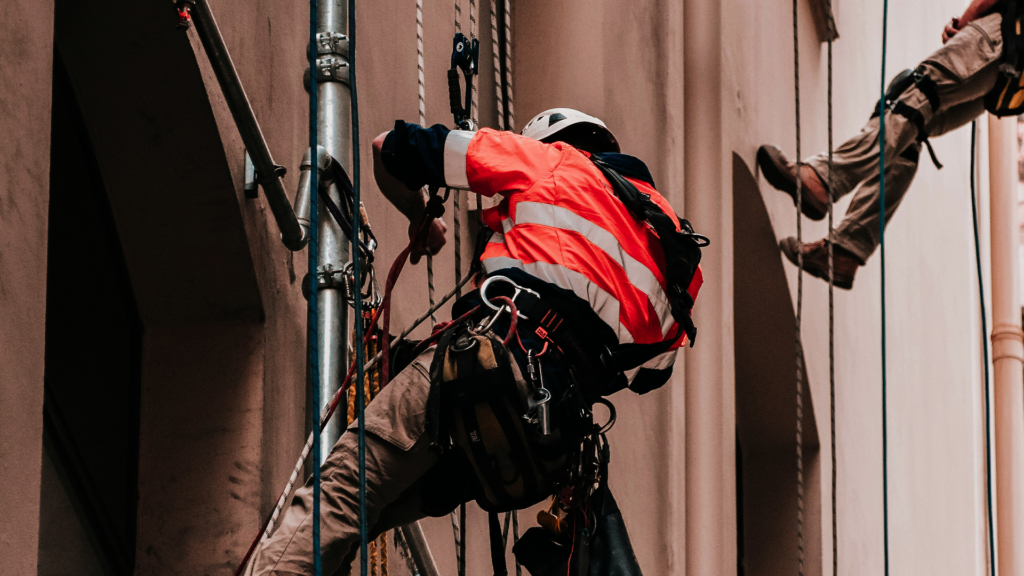
Full-body harnesses serve as the primary connection point between the worker and the fall protection system. These harnesses distribute impact forces across stronger parts of the body such as the shoulders, thighs, and chest. Proper distribution reduces the likelihood of severe injuries during a fall incident.
Modern harnesses are designed with comfort and flexibility in mind. Workers performing long shifts require equipment that allows movement without causing discomfort. Adjustable straps, breathable materials, and ergonomic designs improve usability while maintaining high safety standards.
Incorrect harness fitting can compromise the effectiveness of the entire system. Workers must receive training on proper adjustments to ensure maximum protection. Regular inspections are also necessary to identify wear, damaged stitching, or weakened components before use.
Shock-Absorbing Lanyards
Shock-absorbing lanyards reduce the forces generated during a fall event. These components stretch or deploy during impact to lessen stress on the worker’s body and anchorage system. Without proper energy absorption, injuries can become significantly more severe.
Different lanyards are available depending on the work environment and required mobility. Some designs support greater movement across wide areas, while others prioritize compact operation in confined spaces. Employers should select equipment based on the specific conditions of the worksite.
Lifelines and Anchorage Points
Lifelines create secure pathways that keep workers connected while moving across elevated areas. Anchorage points provide the structural support necessary to withstand fall forces. These anchor systems must meet strict strength requirements to ensure dependable performance during emergencies.
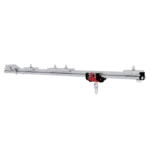
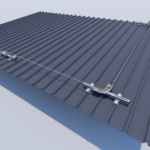
Horizontal fall protection systems are commonly used across large worksites where workers need continuous mobility. These systems are engineered for flexibility while maintaining consistent protection throughout the work area.
Connectors and Hardware
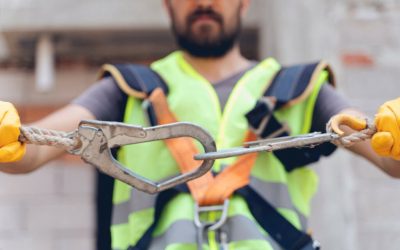
Connectors such as carabiners, hooks, and locking devices link all components together. High-quality hardware prevents accidental disengagement and supports overall system integrity. Corrosion resistance and durability are especially important for harsh industrial and outdoor environments.
Horizontal Fall Protection Systems for Complex Worksites
Horizontal fall protection systems provide workers with freedom of movement while maintaining continuous safety connections. These systems are particularly valuable for construction sites, industrial facilities, rooftops, bridges, and maintenance operations where employees travel across wide elevated surfaces.
One of the greatest advantages of horizontal systems is their adaptability. Installers can configure these systems to fit different structural layouts and operational requirements. This flexibility makes them suitable for both temporary projects and permanent facility installations.
Groxx Gears understands that safety equipment must remain dependable under demanding conditions. Their Horizontal Fall Protection System is engineered with durability as a top priority, giving workers greater confidence while operating in high-risk environments. High-quality materials help maintain long-term performance even when exposed to challenging weather, heavy usage, and industrial conditions.
Efficient energy management is another important feature of modern horizontal systems. Proper engineering helps reduce impact forces on both the user and anchorage points during a fall event. This improves safety outcomes while supporting structural stability throughout the system.
Workers also benefit from improved productivity because horizontal systems reduce the need for constant reconnection. Continuous movement allows tasks to be completed more efficiently without compromising safety compliance.
Key Benefits of Horizontal Fall Protection Systems
- Improved worker mobility across elevated areas
- Continuous protection while moving along work zones
- Enhanced durability for demanding environments
- Reduced downtime caused by repositioning equipment
- Better energy absorption during fall incidents
- Flexible configurations for various structures
- Long-term reliability for industrial operations
High-Stakes Environments That Require Advanced Fall Protection
Certain industries involve elevated hazards that demand advanced safety solutions. These high-stakes environments place workers in situations where dependable fall protection becomes absolutely necessary.
Construction Sites
Construction workers frequently operate on scaffolding, steel beams, rooftops, and elevated platforms. These conditions create constant exposure to fall hazards. A reliable Fall Arrest System helps protect workers while supporting compliance with workplace safety regulations.
Large construction projects often involve multiple teams working simultaneously at different elevations. Proper coordination and safety planning are essential for maintaining secure operations throughout the site.
Manufacturing and Industrial Facilities
Industrial plants and manufacturing facilities require regular maintenance at elevated positions. Workers often access machinery, overhead systems, and storage areas that increase fall risks. Permanent fall protection systems provide dependable long-term safety for these operations.
Industrial environments may also expose equipment to heat, chemicals, moisture, and corrosion. Durable materials are necessary to ensure continued system performance under harsh conditions.
Telecommunications and Utility Sectors
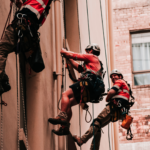
Technicians climbing towers and utility structures face unique challenges including weather exposure and remote work conditions. Advanced Fall Arrest System solutions support vertical movement while providing reliable protection during maintenance and installation tasks.
Oil, Gas, and Offshore Facilities
Oil platforms and offshore structures combine elevated work with severe environmental conditions. Strong winds, corrosion, and slippery surfaces increase the likelihood of accidents. Specialized fall protection systems help maintain worker safety under these demanding circumstances.
Warehouses and Logistics Centers
Modern warehouses feature tall storage systems, elevated walkways, and maintenance platforms. Workers performing inspections or repairs require dependable safety solutions to reduce fall-related risks.
Key Features to Look for When Selecting a Fall Arrest System
Choosing the right Fall Arrest System requires careful evaluation of several important factors. Businesses should prioritize equipment that offers long-term reliability, durability, and user-friendly operation.
Material quality is one of the first considerations during equipment selection. High-quality components resist wear, corrosion, and environmental damage better than lower-grade alternatives. Durable materials improve equipment lifespan while maintaining dependable performance.
Comfort is another important factor because workers often wear safety gear for extended periods. Lightweight harnesses, flexible connectors, and ergonomic designs help reduce fatigue during long shifts. Comfortable equipment also improves compliance because workers are more likely to use it correctly.
Businesses should also focus on compatibility between components. Every part of the system must function together properly to ensure complete protection. Mixing incompatible equipment may compromise safety performance during emergency situations.
Important features to evaluate include:
- Energy absorption capability
- Ease of installation
- Corrosion resistance
- Compliance with safety standards
- Worker mobility support
- Structural compatibility
- Maintenance requirements
- Long-term durability
Trusted manufacturers with extensive industry experience often provide more dependable solutions. Reliable brands prioritize quality engineering and rigorous testing to meet demanding workplace requirements.
Proper Installation and System Planning for Maximum Protection
Even the best fall protection equipment cannot perform effectively without proper installation. Careful planning ensures that every component functions as intended during real-world operations.
Worksite assessments help identify hazards, structural limitations, and worker movement patterns. These evaluations guide decisions regarding anchor placement, system layout, and equipment selection. Professional installation teams understand how to configure systems for maximum effectiveness.
Load calculations are also critical during planning stages. Anchorage points must withstand the forces generated during a fall event. Weak or improperly positioned anchors may fail under pressure, increasing the risk of severe injuries.
Swing fall hazards should also be minimized through proper system positioning. Workers falling at an angle may collide with nearby structures if systems are poorly designed. Strategic placement helps reduce these risks.
Routine inspections play a major role in maintaining long-term system reliability. Employers should establish maintenance schedules that include visual inspections, hardware checks, and equipment testing.
Worker Training and Safety Awareness
Even advanced equipment cannot fully protect workers without proper training. Employees must understand how to inspect, wear, and operate every component of a Fall Arrest System correctly.
Hands-on training helps workers become familiar with harness adjustments, lanyard connections, and anchorage procedures. Training should also include emergency response preparation so teams can react quickly during incidents.
Safety awareness programs encourage workers to identify hazards before accidents occur. Open communication between supervisors and employees helps strengthen workplace accountability and improve overall compliance.
Companies that invest in continuous training often experience fewer accidents and stronger operational performance. Refresher programs are especially valuable because they reinforce correct procedures and update workers on new safety practices.
Important training areas include:
- Proper harness fitting
- Equipment inspection routines
- Safe anchorage selection
- Emergency rescue procedures
- Hazard identification
- Correct use of connectors
- System maintenance awareness
A strong safety culture starts with education and consistent reinforcement across all levels of the organization.
Common Mistakes That Compromise Fall Protection Safety
Several common mistakes can weaken the effectiveness of a Fall Arrest System. Employers and workers must remain aware of these issues to maintain safe operations.
One major problem involves using damaged or outdated equipment. Frayed straps, weakened connectors, and corroded hardware may fail during emergencies. Regular inspections help identify problems before equipment is used.
Improper harness fitting is another serious concern. Loose straps or incorrect adjustments can increase injury risks during a fall. Workers should always verify proper fit before beginning elevated tasks.
Ignoring environmental conditions can also compromise safety. Wet surfaces, high winds, and chemical exposure may affect both workers and equipment performance. Safety planning should always account for surrounding hazards.
Another frequent mistake involves inadequate training. Workers unfamiliar with equipment procedures may misuse components or select unsafe anchor points. Ongoing education remains essential for maintaining effective protection.
Technological Advancements Improving Fall Protection Systems
Modern technology continues to improve workplace safety through advanced fall protection solutions. Manufacturers are developing smarter systems that enhance both protection and usability.
Lightweight materials now allow workers to wear equipment comfortably for longer periods. Advanced engineering also improves durability while reducing bulk. These improvements help workers maintain productivity without sacrificing safety.
Smart monitoring technologies are becoming increasingly common across industrial safety systems. Some solutions can track equipment inspections, monitor worker connections, and provide alerts during unsafe conditions.
Digital maintenance tracking also helps companies manage inspection schedules more efficiently. These systems improve compliance by ensuring equipment receives timely evaluations and servicing.
Future advancements may include more intelligent safety integrations that support real-time hazard detection and predictive maintenance. As technology improves, workplaces will continue benefiting from safer and more efficient fall protection solutions.
Takeaway
High-risk environments require dependable safety systems capable of protecting workers during elevated operations. A reliable Fall Arrest System reduces injury risks while supporting productivity, compliance, and long-term operational stability. Companies that prioritize worker safety create stronger workplaces where employees can perform with confidence.
Modern fall protection equipment now offers greater durability, flexibility, and energy management than ever before. Horizontal systems provide continuous mobility across demanding worksites while advanced materials improve long-term reliability. Proper planning, professional installation, and consistent worker training all play major roles in maintaining effective protection.
Businesses that invest in high-quality safety equipment demonstrate commitment to worker well-being and operational excellence. Strong safety practices help reduce downtime, minimize liabilities, and improve workplace confidence across every level of an organization.
FAQ
What is a Fall Arrest System?
A Fall Arrest System is a safety solution designed to stop a worker safely during a fall while reducing impact forces on the body and anchorage structure.
Why is fall protection important in high-risk environments?
Fall protection helps prevent severe injuries and fatalities in workplaces where employees operate at elevated heights or hazardous locations.
What industries commonly use horizontal fall protection systems?
Construction, manufacturing, oil and gas, telecommunications, utilities, warehouses, and maintenance industries frequently use horizontal systems.
How often should fall protection equipment be inspected?
Equipment should be visually inspected before every use and undergo scheduled professional inspections according to manufacturer recommendations and workplace regulations.
What components are included in a Fall Arrest System?
Typical components include harnesses, lanyards, lifelines, connectors, anchorage points, and energy-absorbing devices.
Why is worker training necessary for fall protection systems?
Training ensures workers understand how to use equipment correctly, identify hazards, and respond effectively during emergency situations.
What makes durable materials important for safety equipment?
Durable materials improve reliability, resist environmental damage, and maintain long-term performance in harsh working conditions.
How do horizontal fall protection systems improve productivity?
These systems allow workers to move continuously across elevated areas without repeatedly disconnecting and reconnecting safety equipment.