
Heavy lifting operations demand precision, preparation, and dependable equipment. Every industrial site that handles suspended loads faces risks that can lead to equipment damage, operational delays, serious injuries, or fatalities when proper rigging procedures are ignored. Whether the worksite involves construction, manufacturing, shipyards, infrastructure projects, or facility maintenance, safety checks remain one of the most important parts of every lifting operation.
The phrase “5 Critical Safety Checks for Every Industrial Rigging Setup” is more than a safety reminder. It represents the foundation of responsible lifting practices that protect workers, machinery, and project timelines. Industrial rigging involves multiple moving parts, including slings, shackles, hooks, cranes, anchor points, and fall protection systems. Every component must work together correctly to maintain stability and safety.
Companies that prioritize lifting safety often experience fewer disruptions, lower maintenance costs, and stronger workforce confidence. Reliable industrial providers such as Groxx Gears support these operations by supplying high-performance rigging hardware, fall protection systems, and heavy-duty industrial solutions designed for demanding environments. Proper inspections and routine safety evaluations help ensure every lift is completed with accuracy and control.
Why Industrial Rigging Safety Must Never Be Overlooked
Industrial rigging operations involve extreme forces that place tremendous stress on equipment and workers. A single failed component can trigger catastrophic consequences within seconds. Heavy materials suspended above workers create dangerous conditions when lifting procedures are rushed or inspections are skipped. Safety checks reduce the likelihood of accidents by identifying hazards before a lift begins.
Modern industrial projects move faster than ever, which increases pressure on crews to complete work efficiently. While productivity matters, safety should never be sacrificed to save time. Proper rigging inspections create a safer environment while improving operational consistency. Workers who feel secure are more likely to perform their duties effectively and confidently.
Industrial accidents related to lifting equipment often occur because of preventable issues. Worn slings, overloaded hardware, unstable loads, and poor communication frequently contribute to incidents. Regular inspections and structured lift planning help eliminate these problems before they escalate into emergencies.
Several industries rely heavily on safe rigging operations every day:
- Construction and infrastructure development
- Manufacturing and assembly plants
- Warehousing and logistics operations
- Shipbuilding and offshore maintenance
- Power generation facilities
- Heavy equipment installation projects
- Building maintenance and repair operations
Every rigging setup must be treated as a high-risk activity that requires attention to detail. Even experienced crews can overlook hazards when safety procedures become inconsistent. Strong workplace standards encourage workers to remain alert and focused throughout every phase of a lift.
Safety Check #1: Inspect All Rigging Hardware Before Every Lift
The first and most important step in the “5 Critical Safety Checks for Every Industrial Rigging Setup” involves inspecting every piece of rigging hardware before operations begin. Rigging equipment experiences continuous exposure to pressure, environmental conditions, and mechanical stress. Over time, these factors weaken components and increase the possibility of failure.
Hooks, shackles, wire ropes, eyebolts, turnbuckles, and lifting attachments must be checked carefully for signs of wear or damage. Even minor defects can compromise load stability during heavy lifting operations. Workers should inspect all equipment visually and physically before use to verify safe working conditions.
Corrosion is one of the most common problems found in industrial rigging environments. Moisture, chemicals, and outdoor exposure can weaken metal surfaces and reduce overall strength. Bent hooks or distorted shackles may indicate that the equipment was overloaded previously and should no longer remain in service.
Teams should also confirm that all load ratings remain visible and readable. Working Load Limits help crews understand the maximum safe capacity for each component. Removing or ignoring these ratings creates unnecessary risk during lifting operations.
Important rigging hardware inspection points include:
- Cracks or fractures in metal components
- Rust or corrosion buildup
- Bent or stretched hardware
- Broken wire strands on cables
- Missing safety latches on hooks
- Damaged threads on bolts and eyebolts
- Loose fittings or unstable connectors
Using incompatible hardware combinations also creates hazards. Components should match correctly to distribute load pressure evenly across the rigging system. Poorly matched connectors increase stress concentration and reduce lifting stability.
Reliable industrial suppliers such as Groxx Gears provide heavy-duty rigging hardware engineered for high-performance applications. Choosing dependable equipment significantly improves lifting safety and long-term durability.
Safety Check #2: Evaluate Sling Conditions and Attachment Points
Slings play a major role in every lifting operation because they directly support and stabilize suspended loads. Damaged or improperly selected slings create severe safety risks during industrial lifting activities. Every crew should inspect sling integrity thoroughly before attaching loads to cranes or lifting systems.
Different lifting applications require different sling types. Chain slings work well for heavy industrial loads and high-temperature environments. Wire rope slings provide excellent strength and durability for rugged operations. Synthetic slings offer flexibility and surface protection for delicate materials.
Selecting the wrong sling type may lead to equipment damage or unstable lifting conditions. Environmental exposure also affects sling performance. Heat, sharp edges, chemicals, and moisture all influence sling durability over time.
Workers should carefully inspect slings for visible signs of damage such as cuts, kinks, broken stitching, or stretching. A damaged sling should never remain in active service because failure can occur suddenly under load pressure.
Key sling inspection practices include:
- Checking for tears or abrasions
- Inspecting hooks and fittings
- Looking for heat or chemical damage
- Examining wire rope strands for breaks
- Confirming proper sling angles
- Ensuring labels and load ratings remain readable
- Removing compromised slings immediately
Attachment points must also receive close attention. Loads should remain balanced and secure throughout the lifting process. Weak anchor points or poorly positioned connections may cause sudden shifting or instability during elevation.
Proper sling angles help distribute weight evenly. Excessively steep angles place additional tension on the sling and reduce lifting capacity. Rigging crews should calculate sling configurations carefully to avoid unnecessary stress on equipment.
Industrial operations that prioritize sling safety experience fewer incidents and more consistent lifting performance. Strong inspection routines help crews identify issues early while preventing costly accidents.
Safety Check #3: Assess Load Stability and Weight Distribution
Load stability represents another critical factor within the “5 Critical Safety Checks for Every Industrial Rigging Setup.” Even when hardware and slings remain in excellent condition, unstable loads can still create dangerous lifting situations. Every suspended load must remain balanced and controlled from the moment it leaves the ground until placement is complete.
One of the biggest mistakes during industrial lifting operations involves guessing load weight. Incorrect weight calculations may overload cranes, slings, or rigging hardware. This creates unnecessary strain that increases the possibility of equipment failure.
Accurate weight calculations help crews choose appropriate lifting equipment and rigging configurations. Understanding the load’s center of gravity also plays an important role in maintaining balance during lifting operations. Loads with uneven weight distribution tend to shift unexpectedly if not secured properly.
Workers should conduct trial lifts before raising heavy materials to full elevation. A preliminary lift allows crews to identify instability, shifting, or connection problems early. This simple procedure helps prevent major incidents during active lifting operations.
Important load stability practices include:
- Confirming exact load weight
- Identifying the center of gravity
- Balancing uneven loads correctly
- Securing loose materials before lifting
- Performing test lifts before elevation
- Monitoring load movement carefully
- Communicating adjustments immediately
Environmental conditions may also affect stability during lifting operations. Wind pressure can cause suspended loads to swing unexpectedly, especially during outdoor projects. Rain or slippery surfaces may reduce worker control during rigging activities.
Communication between crane operators and rigging crews remains essential during every lift. Spotters should monitor movement continuously and report hazards immediately. Coordinated teamwork reduces confusion while improving overall safety performance.
Stable lifting operations protect workers, reduce equipment stress, and improve productivity across industrial environments. Careful planning and accurate calculations help crews maintain control throughout every phase of the job.
Safety Check #4: Inspect Fall Protection and Worker Safety Systems
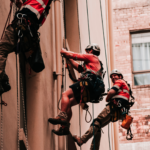
Rigging operations often occur at elevated work areas where fall hazards present serious dangers. Workers operating near suspended loads, rooftops, scaffolding, or structural steel require dependable fall protection systems to remain safe during lifting activities.
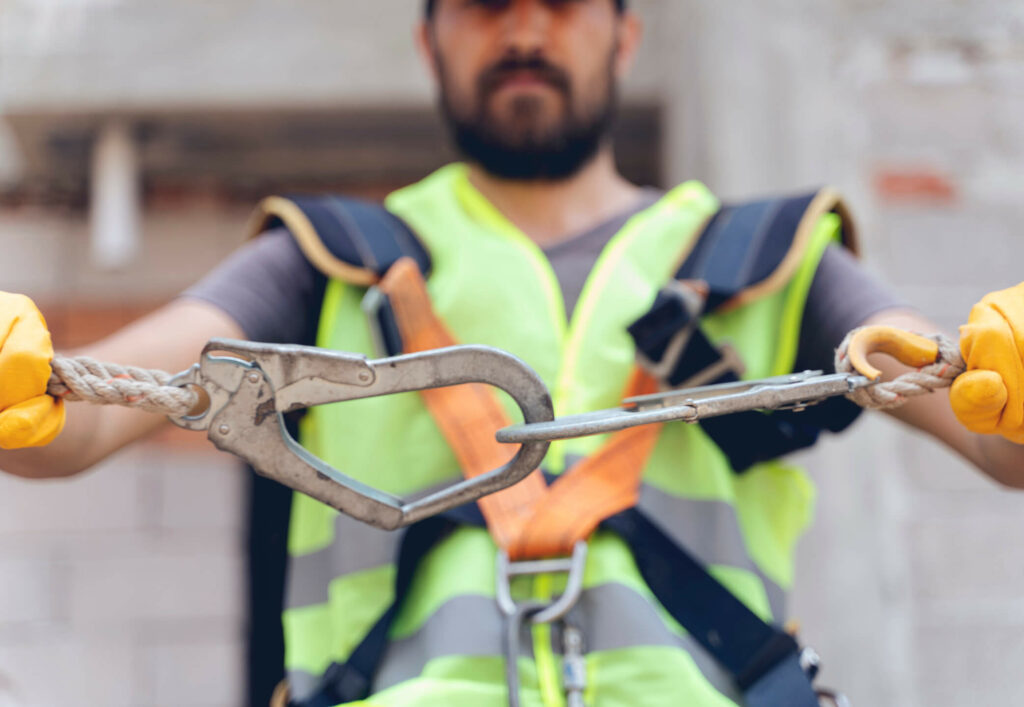
Fall protection equipment should never be treated as optional in industrial environments. Harnesses, lanyards, lifelines, and anchor systems help reduce severe injuries during elevated work tasks. Every component must undergo regular inspection to confirm proper functionality.
Damaged fall protection gear may fail during emergencies. Frayed straps, broken buckles, and weakened anchor points all compromise worker safety. Equipment exposed to harsh environments or improper storage conditions may deteriorate faster than expected.
Industrial sites should establish strict inspection procedures for all personal fall arrest systems. Workers should examine equipment before each use and report any defects immediately. Replacing damaged equipment promptly helps maintain safer working conditions.
Critical fall protection inspection points include:
- Frayed or cut harness webbing
- Damaged stitching or connectors
- Rusted metal components
- Broken buckles or adjustment points
- Weak anchor connections
- Worn shock absorbers
- Improperly stored safety equipment
Safe work zones also play an important role during lifting operations. Barricades, warning signs, and restricted access areas help prevent unauthorized workers from entering hazardous zones beneath suspended loads.
Companies like Groxx Gears support industrial safety by providing reliable fall protection systems built for demanding jobsite conditions. High-quality safety equipment improves worker confidence while reducing operational risks.
Strong safety cultures encourage workers to report hazards without hesitation. Teams that prioritize worker protection often experience fewer incidents and stronger operational efficiency over time.
Safety Check #5: Confirm Operator Communication and Lift Planning
Communication failures remain one of the leading causes of industrial lifting accidents. Even highly trained crews may experience dangerous situations when instructions become unclear during active lifting operations. Proper lift planning and standardized communication procedures help eliminate confusion while improving coordination.
Every industrial lift should begin with a detailed plan that outlines responsibilities, movement paths, equipment requirements, and emergency procedures. Crews should review the plan together before operations begin to confirm that everyone understands their roles.
Hand signals remain essential on many industrial sites where verbal communication becomes difficult due to noise or distance. Standardized signals help crane operators and riggers coordinate safely during lifting activities.
Radio communication systems also improve operational control during complex lifts. Workers should use clear, direct instructions to avoid misunderstandings that may compromise safety.
Effective communication practices include:
- Conducting pre-lift safety meetings
- Assigning designated signal personnel
- Using approved hand signals
- Testing radio communication devices
- Reviewing emergency procedures
- Monitoring environmental conditions
- Confirming load movement paths
Weather conditions must also remain part of every lift plan. Strong winds, poor visibility, and rain can significantly increase lifting hazards. Suspended loads become difficult to control when environmental conditions change unexpectedly.
Industrial crews should never rush lifting operations when conditions become unsafe. Delaying a lift temporarily is always better than risking equipment failure or worker injuries.
Strong communication procedures create smoother operations, improve teamwork, and reduce workplace hazards. Well-organized lifting plans help crews maintain control throughout the entire process.
The Role of Preventive Maintenance in Industrial Rigging Safety
Preventive maintenance helps industrial companies maintain safer and more reliable rigging operations over time. Regular inspections and scheduled servicing reduce the likelihood of unexpected equipment failures during lifting activities. Waiting until equipment breaks down creates unnecessary risks and expensive downtime.
Maintenance programs should include detailed inspections of cranes, slings, hooks, connectors, and fall protection systems. Recording inspection dates and repair history also improves accountability and compliance with safety standards.
Replacing worn components before failure occurs helps maintain stronger operational performance. Industrial equipment exposed to heavy loads and harsh environments requires ongoing monitoring to remain dependable.
Important preventive maintenance practices include:
- Scheduling regular equipment inspections
- Keeping detailed maintenance records
- Replacing damaged components immediately
- Cleaning equipment after use
- Storing rigging gear properly
- Testing lifting systems routinely
- Training workers on maintenance awareness
Reliable equipment suppliers play a major role in maintaining safe lifting operations. High-quality industrial hardware offers stronger durability and improved performance under demanding conditions.
Companies that invest in preventive maintenance often reduce operational interruptions while extending equipment lifespan. Strong maintenance practices also demonstrate commitment to worker safety and responsible jobsite management.
Common Industrial Rigging Mistakes That Increase Safety Risks
Many industrial lifting accidents occur because of simple mistakes that could have been prevented through proper planning and inspections. Workers sometimes become overly familiar with equipment and overlook hazards during routine operations.
Using damaged hardware remains one of the most dangerous mistakes in industrial rigging. Some crews attempt temporary repairs instead of replacing compromised equipment. This creates severe safety risks because weakened components may fail unexpectedly under pressure.
Ignoring manufacturer guidelines also contributes to many lifting incidents. Equipment should only be used within its intended load limits and operating conditions. Improper usage reduces equipment reliability and increases accident potential.
Common rigging mistakes include:
- Overloading lifting equipment
- Using worn or damaged slings
- Skipping equipment inspections
- Ignoring load balance calculations
- Poor communication during lifts
- Improper storage of rigging gear
- Allowing untrained workers to participate
Insufficient training creates another major safety concern. Industrial lifting operations require specialized knowledge and continuous education. Workers should receive regular safety training to remain updated on best practices and operational standards.
Strong supervision and accountability help reduce risky behaviors on industrial jobsites. Teams that remain disciplined and safety-focused create safer working environments for everyone involved.
Building a Strong Safety Culture Around Rigging Operations
Safe lifting operations depend heavily on workplace culture. Companies that prioritize safety consistently encourage workers to remain alert, responsible, and proactive during industrial activities. Safety should become part of daily operations rather than a temporary requirement.
Management teams play an important role in setting safety expectations. Workers are more likely to follow proper procedures when leadership actively supports workplace safety initiatives. Providing dependable equipment and ongoing training demonstrates genuine commitment to worker protection.
Routine safety meetings help reinforce lifting procedures and hazard awareness. These discussions encourage workers to ask questions, report concerns, and review operational expectations before starting work.
Strong safety cultures often include:
- Regular toolbox safety meetings
- Continuous worker training programs
- Open hazard reporting systems
- Consistent equipment inspections
- Clear accountability standards
- Reliable emergency response procedures
- Investment in quality rigging systems
Industrial environments will always involve risks, but disciplined safety practices help reduce those dangers significantly. Workers who understand the importance of proper rigging procedures contribute to safer and more productive operations.
Reliable industrial providers such as Groxx Gears continue supporting these environments by supplying dependable rigging hardware, fall protection systems, and heavy-duty industrial equipment designed for demanding applications.
Takeaway
The “5 Critical Safety Checks for Every Industrial Rigging Setup” highlight the importance of preparation, equipment inspections, communication, and worker protection during heavy lifting operations. Safe rigging practices reduce workplace hazards while improving operational reliability across industrial environments.
Every successful lift depends on multiple factors working together correctly. Rigging hardware, slings, load calculations, fall protection systems, and communication procedures all contribute to safer lifting performance. Ignoring even one safety step may create serious consequences for workers and equipment.
Industrial companies that prioritize preventive maintenance, ongoing training, and high-quality equipment often achieve stronger long-term results. Reliable suppliers such as Groxx Gears help support safer industrial operations by providing durable lifting and safety solutions designed for demanding conditions.
Consistent inspections, responsible planning, and disciplined teamwork remain essential for maintaining safe and efficient industrial rigging operations every day.
FAQ
Why are rigging safety inspections important before every lift?
Rigging safety inspections help identify damaged equipment, unstable connections, and potential hazards before lifting operations begin. These inspections reduce the risk of accidents, equipment failure, and workplace injuries.
What is the most common cause of industrial rigging accidents?
Common causes include overloaded equipment, damaged slings, poor communication, improper load balancing, and skipped inspections. Many lifting incidents occur because of preventable mistakes.
How often should rigging equipment be inspected?
Rigging equipment should undergo visual inspections before every use. Scheduled detailed inspections should also occur regularly according to workplace safety standards and manufacturer recommendations.
Why is load balance important during lifting operations?
Balanced loads remain more stable during movement and reduce strain on lifting equipment. Uneven weight distribution may cause shifting, swinging, or equipment overload during lifting activities.
What types of slings are commonly used in industrial rigging?
Common sling types include chain slings, wire rope slings, and synthetic slings. Each type serves different lifting applications depending on load weight and environmental conditions.
How does fall protection improve industrial safety?
Fall protection systems help reduce serious injuries when workers operate at elevated heights near suspended loads. Harnesses, lanyards, and anchor systems provide additional protection during high-risk activities.
Why should damaged rigging equipment be removed immediately?
Damaged equipment may fail suddenly under load pressure, creating severe safety hazards for workers and nearby operations. Immediate replacement helps maintain safer lifting conditions.
How can companies improve industrial rigging safety?
Companies can improve safety through regular inspections, preventive maintenance, worker training, detailed lift planning, and investment in dependable rigging equipment and fall protection systems.